Paper Trading Options: How to Practice Before Risking Capital

📚 Beginner’s Guide to Options — Part 23 of 51
- Part 1: What Is an Option? The Absolute Basics Explained
- Part 2: Calls vs. Puts: The Two Types of Options You Need to Know
- Part 3: Strike Price Explained: What It Actually Means for Your Trade
- Part 4: Expiration Date Explained: Why It Changes Everything
- Part 5: Premium Explained: What You’re Really Paying For
- Part 6: In the Money vs. Out of the Money: A Beginner’s Breakdown
- Part 7: Intrinsic Value vs. Extrinsic Value: What Makes Up an Option’s Price
- Part 8: How Buying a Call Option Works, Step by Step
- Part 9: How Buying a Put Option Works, Step by Step
- Part 10: What Happens When an Option Expires? Every Outcome Explained
- Part 11: Options Contracts 101: What One Contract Actually Represents
- Part 12: How to Read an Options Chain Without Getting Overwhelmed
- Part 13: Bid, Ask, and Spread: What They Mean When You’re Trading Options
- Part 14: What Is Implied Volatility? A Beginner’s Plain-English Guide
- Part 15: Why Options Lose Value Over Time: Theta Explained Simply
- Part 16: Delta Explained: What It Really Tells You About Your Option
- Part 17: Gamma Explained: Why Delta Doesn’t Stay the Same
- Part 18: Vega Explained: How Volatility Changes Your Option’s Price
- Part 19: The Greeks Cheat Sheet: Delta, Gamma, Theta, Vega in Plain English
- Part 20: What Is Assignment? What Happens If Your Option Gets Exercised
- Part 21: American vs. European Options: What’s the Difference?
- Part 22: How Much Money Do You Need to Start Trading Options?
- Part 23: Paper Trading Options: How to Practice Before Risking Real Money (you are here)
⚡ Key Takeaways
- Paper trading lets you test option strategies and order entry without risking real dollars.
- Simulators help you master contract mechanics, strike selection, and options chain navigation.
- Treating your paper account balance like hard-earned cash builds the discipline needed for live trading.
— Ben, Find Better Trades
Welcome to Part 23 of my 51-part options education series. If you tried placing a live order right after learning about calls and puts, you probably noticed how fast your heart started beating.
I always tell new traders that there is zero reason to pay for your early mistakes with real money. Today, I am showing you exactly how to use paper trading to build muscle memory before risking a single dollar of your capital.
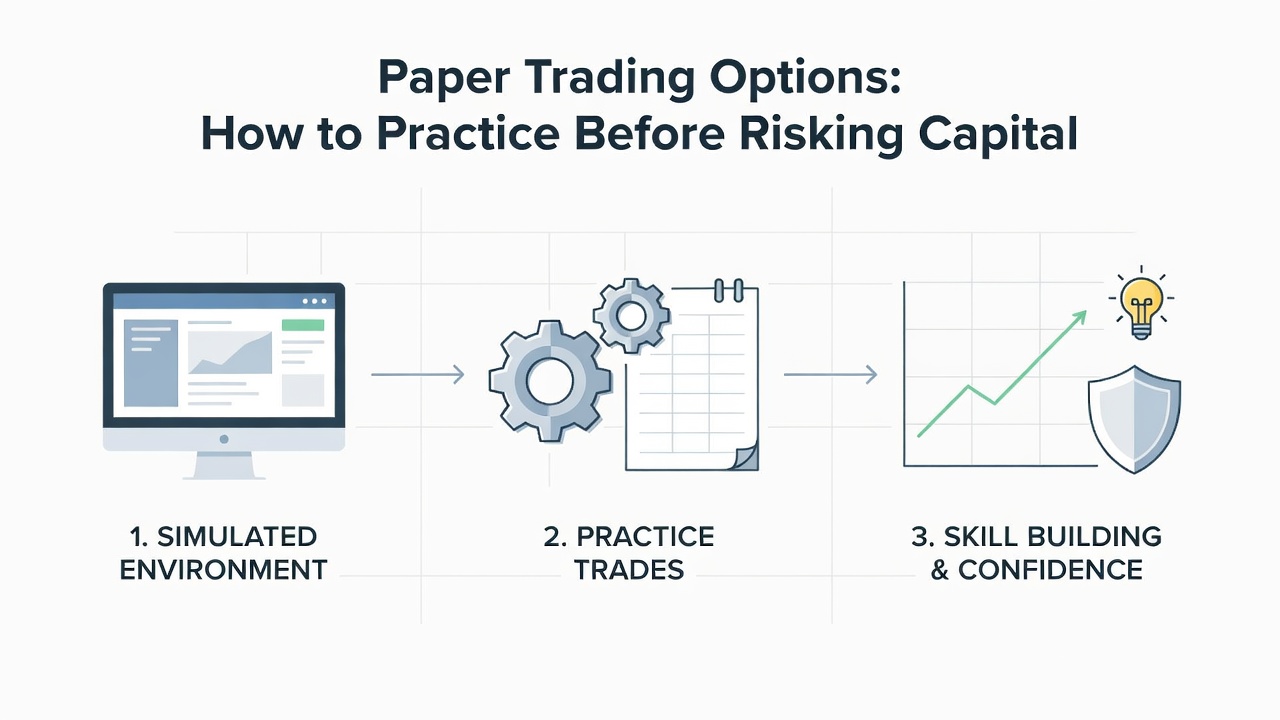
What Is Paper Trading and Why Every Beginner Must Start Here
Paper trading is simply simulated options trading using virtual currency inside a real-time market platform. The prices, options chains, and chart movements match the actual stock market, but your account balance uses play money.
Think of paper trading like practicing in a high-tech driving simulator before pulling onto an eight-lane highway. You get to learn where all the controls are without any risk of causing a total wreck.
We covered strike prices back in Part 3 and premium in Part 5, but reading about those concepts is completely different from tracking them live. A simulator gives you hands-on experience without financial consequences.
When you paper trade, you practice selecting strike prices, choosing expiration dates, and submitting orders under realistic market conditions. It bridges the gap between theoretical knowledge and real-world execution.
I recommend every beginner execute at least twenty simulated options trades before depositing cash into a broker. That habit alone saves hundreds of dollars in basic beginner missteps.
Flight Simulators vs Real Cockpits: The Mental Gap
A pilot can master every instrument inside a flight simulator, but their hands will still sweat during their first real thunderstorm. Paper trading has that exact same mental limitation.
When you are trading virtual cash, a sudden fifty percent loss on an option contract does not hurt your feelings. You do not lay awake at night wondering how you will make up that cash.
Because there is no emotional pain, beginners often develop dangerous habits inside a paper account. They take massive positions they would never take with real money, leading to a false sense of security.
If you start taking wild risks just because the money is fake, you ruin the entire purpose of the exercise. You are building bad habits that will destroy your real account later.
To make paper trading work, you must treat every virtual dollar like it came directly out of your bank account. If an entry setup makes you nervous in real life, treat it with that same respect in the simulator.
Free For Traders
One Clear Arrow. Every High-Probability Setup. Free.
The Fusion Indicator combines multiple signals into a single buy/sell arrow on TradingView so you never miss a move.

How to Set Up Your First Simulated Options Account
Most major online brokers offer free paper trading accounts with full access to live options chains. Software like Thinkorswim by Charles Schwab, Power E*TRADE, and Interactive Brokers all provide built-in virtual trading features.
When you open your paper trading account, the platform will usually default your virtual balance to $100,000 or more. The very first thing you should do is reset that balance to a realistic starting size.
We discussed proper account sizing in Part 22, so match your paper account to what you actually plan to deposit live. If you plan to start real trading with $2,000, set your paper account to $2,000.
Next, configure your screen so you can clearly see the bid, ask, spread, and options Greeks. As we covered in Part 12, an organized options chain prevents costly clicking mistakes when placing orders.
Take an hour just clicking through the platform interface without placing any trades. Get comfortable locating order confirmation windows, cancel buttons, and open positions displays.

Step-by-Step Worked Example: Trading a Simulated Call Option
Let’s run through a complete paper trade step by step so you see how this works in practice. Suppose hypothetically that stock XYZ is currently trading at $100 per share on your chart.
You believe stock XYZ is preparing to break out upward, so you open your simulator’s options chain to look for call options. We covered how buying calls works back in Part 8 of this series.
You select the $105 strike call option expiring in 30 days, which shows an ask price of $2.50. Remember that one option contract controls 100 shares, as we learned in Part 11.
You enter a limit order in your simulator to buy 1 contract at $2.50, spending exactly $250 of virtual capital ($2.50 premium multiplied by 100 shares). The order fills immediately in the paper account.
Over the next two weeks, stock XYZ moves up to $110 per share. Thanks to the rising stock price and positive Delta (which we explained in Part 16), your option premium increases to $6.00.
You open your paper trading software, select your active position, and submit a limit order to sell your contract at $6.00. You receive $600 cash back into your account balance, locking in a clear profit of $350.
Step-by-Step Worked Example: Managing a Simulated Put Option
Now let’s examine a paper trade where the market moves against you, so you can see how managing loss works. Suppose stock ABC is trading at $50 per share, and you expect a drop.
You select a put option with a $48 strike expiring in 45 days, listed at a premium ask price of $1.80 ($180 total cost). We walked through the mechanics of buying put options back in Part 9.
You submit your order in the simulator and buy 1 contract for $180. Three days later, stock ABC rises to $53 instead of falling, causing your option to lose extrinsic value fast.
Theta decay (which we covered in Part 15) and adverse price movement push the contract price down to $0.90 per share ($90 contract value). You are down 50% on your trade position.
Rather than holding to absolute zero, your risk management plan tells you to exit when the contract drops by half. You sell to close the put option at $0.90, receiving $90 back.
| Trade Stage | Stock Price | Put Option Value | Virtual Cash Impact |
|---|---|---|---|
| Entry (Buy Put) | $50.00 | $1.80 ($180 total) | -$180.00 |
| Adverse Movement | $53.00 | $0.90 ($90 total) | Unrealized -$90.00 |
| Exit (Sell Put) | $53.00 | $0.90 ($90 total) | +$90.00 (Net -$90.00) |
By exiting early inside your simulator, you preserved $90 of virtual capital. Experiencing this routine in paper trading makes executing stop losses second nature when real cash is on the line.
From Find Better Trades
Know Exactly Where The Big Money Steps In
Auto-plots institutional support & resistance zones from pure price action — no more guessing at levels.

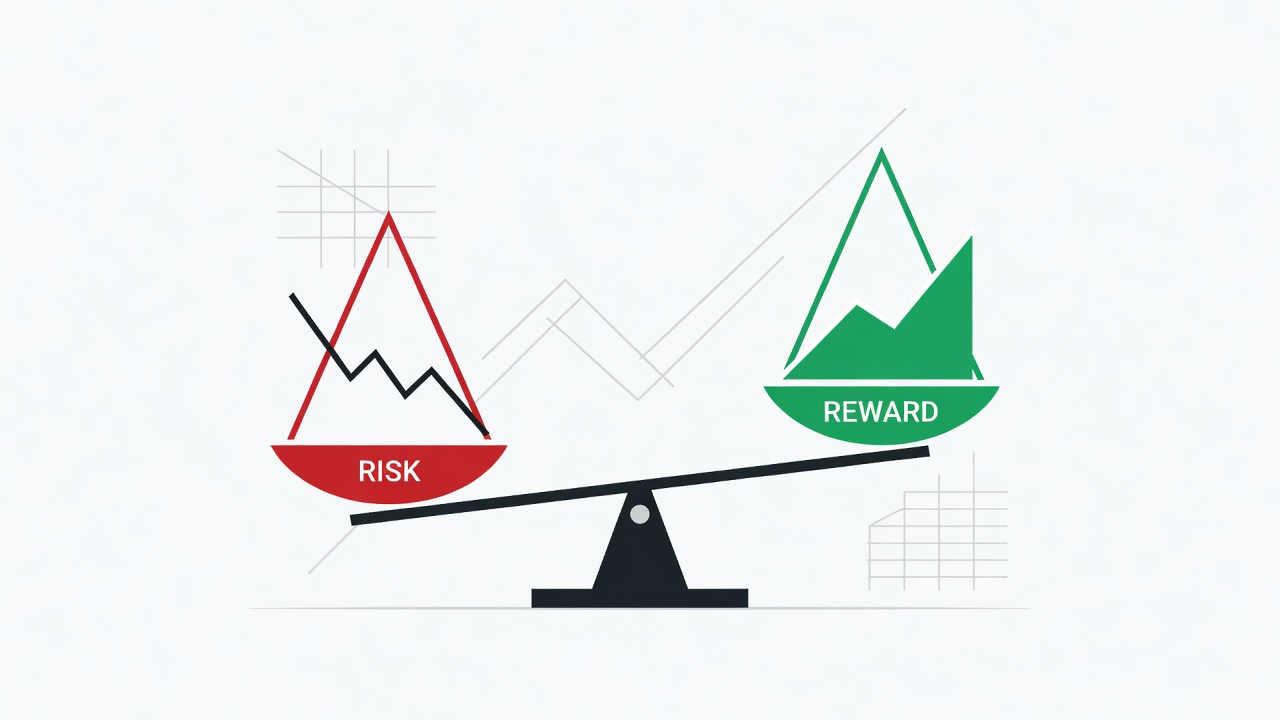
Paper Trading vs Real Money Trading: What the Simulator Hides
While paper trading is the best training tool available, you must understand its technical limitations. Simulators will often give you optimistic trade executions that do not happen in real market conditions.
In a paper trading platform, market orders fill instantly at the displayed price, even on illiquid options. In real life, wide bid-ask spreads (which we broke down in Part 13) cause severe execution slippage.
Simulators also grant instant fills on limit orders the microsecond the market price touches your level. Real exchanges require an actual buyer or seller to take the other side of your specific trade.
Furthermore, paper accounts ignore the physical reaction your body experiences when real capital fluctuates. You cannot simulate the sudden urge to panic-sell when your actual savings drop five hundred dollars.
Use paper trading to master platform mechanics, strategy calculations, and rule compliance. But remember that your emotional training only truly begins once real money is at stake.
A 30-Day Blueprint for Graduating from Simulator to Live Capital
Do not stay in a paper trading account forever, or you will build emotional complacency. I recommend setting a structured 30-day timeline to transition smoothly from virtual execution to live trading.
During Week 1, focus purely on mechanical execution and platform navigation. Practice buying and selling calls and puts, adjusting limit orders, and verifying order confirmations without worrying about profits.
During Week 2 and Week 3, pick one specific setup and track every single detail in a dedicated trade log. Note your strike selection, entry price, exit targets, and your reasons for entering the trade.
During Week 4, analyze your performance log over the past three weeks of practice. If you followed your predefined exit rules consistently on every trade, you are ready to start small with live funds.
When you make the leap to real trading, cut your position size in half. Start with single contract positions until your emotional control matches your technical proficiency inside the simulator.
Common Mistakes Beginners Make With Paper Trading
The most frequent error I see is paper trading with an absurdly large virtual balance. If you practice with $500,000 in fake money, buying ten contracts feels completely harmless. But when you switch to a $2,000 real account, buying those same contracts will instantly blow up your balance. Reset your simulator to match your exact starting cash level.
Another common mistake is ignoring bad trade habits because the funds are not real. Beginners often hold losing option positions all the way to expiration, hoping for a magic comeback. Doing that in paper trading builds a catastrophic habit that will wipe out your real trading account later on.
Many traders also fail to maintain a written trade journal while paper trading. They treat the simulator like a casual video game instead of a serious professional trial run. If you do not record your entry setups, exit rules, and mistakes, you miss out on the valuable data paper trading provides.
Finally, beginners often trade illiquid options with wide bid-ask spreads inside simulators. Virtual platforms will give you easy fills on options contracts that real market makers would never touch. Stick exclusively to liquid stocks and tight spreads so your simulated results reflect actual market behavior.
Paper Trading Options: Frequently Asked Questions
How long should I paper trade options before using real money?
I recommend paper trading for at least 30 consecutive days or roughly 20 to 30 executed trades. This ensures you fully master platform controls, order types, and strike selection rules without financial stress.
Are paper trading option prices accurate to the live market?
Yes, paper trading options platforms use real-time market quotes for underlying stock prices and options chains. However, order execution fills are simulated, meaning you get better order fills in paper trading than in live trading.
Can I paper trade options on my mobile phone app?
Most major options brokerages provide mobile access to their simulated paper trading features. While mobile apps are convenient for monitoring, I strongly suggest using desktop software for your initial setup and technical analysis practice.
Why do my paper trade orders fill faster than real money trades?
Simulators automatically fill limit orders as soon as the market price reaches your specified price. Real market orders require an actual buyer or seller on the options exchange to match your order, which can cause delays or partial fills.
You have mastered how to practice without risking a cent, but next week I am exposing the single deadliest blunder new option buyers make the moment they switch to real capital.
📈 Want More? Join Our Free Trading Community
- Trading Strategy Guides Telegram — daily strategy tips and market insights
- Find Better Trades Telegram — free trade signals delivered to your phone
- Find Better Trades on YouTube — live trade breakdowns and tutorials