Implied Volatility on Earnings: Why Direction Is a Trap

📊 November 17, 2026
- Implied volatility crush wipes out naked options positions even when your directional call is 100% accurate.
- Retail traders obsess over quarterly revenue beats instead of pricing the market-implied expected move before the print.
- Sell defined-risk spreads beyond the expected move or wait for the post-earnings drift once option premiums reset.
— Ben, Find Better Trades
Implied volatility on earnings dictates option pricing far more than underlying stock direction because market makers aggressively price in event uncertainty before the report. When that uncertainty resolves, implied volatility instantly collapses overnight, stripping extrinsic value out of calls and puts alike regardless of which way the underlying stock moves.
If you have traded earnings for more than six months, you have lived this nightmare firsthand. You predicted a blowout earnings report, the stock rallied 4%, and your front-month call options collapsed 70% at the open.
Directional bias without volatility context is gambling, not trading. When you fail to price volatility first, you are handing your capital straight to the market makers who priced the event.
Why Everyone Gets This Wrong
Retail traders get this wrong because they treat options contracts like leveraged shares of stock. An option contract is not stock; it is a decaying volatility asset that contains delta, gamma, theta, and vega.
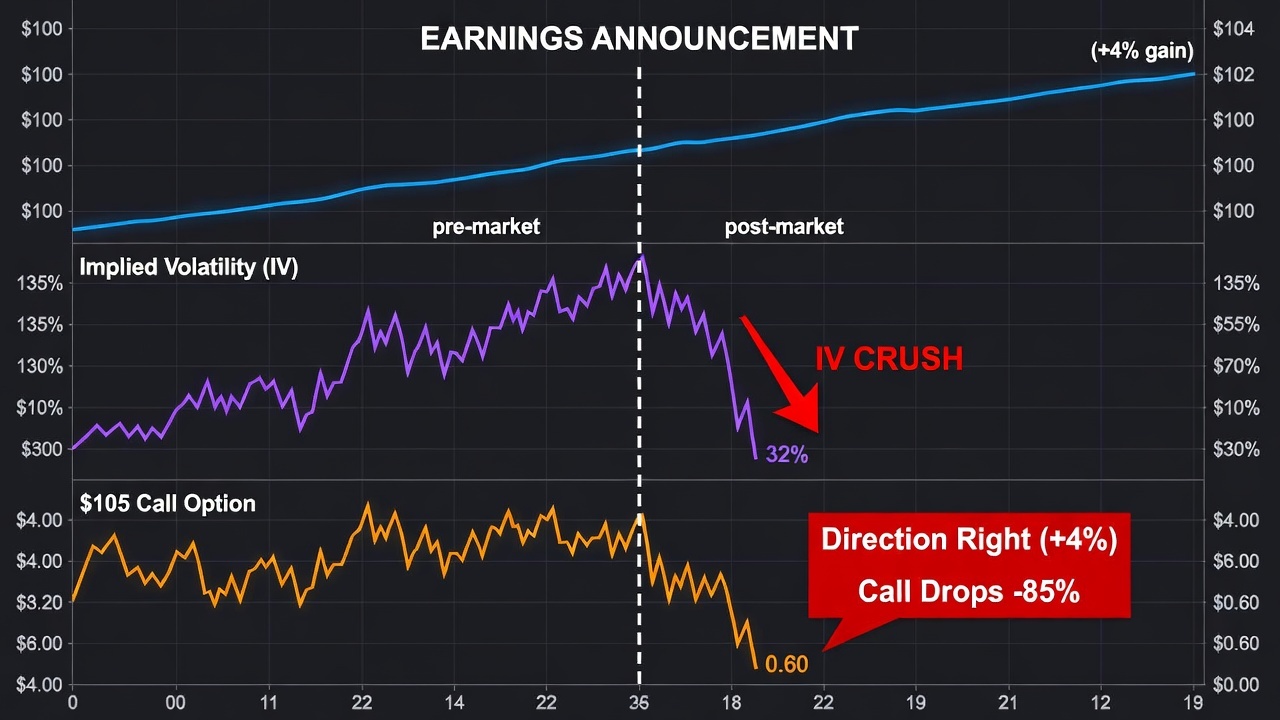
Heading into an earnings announcement, uncertainty peaks. Buyers rush in to hedge equity risk or speculate on huge gaps, forcing market makers to crank implied volatility to extreme levels. Say a stock trades at $100 with a baseline historical volatility of 30%, but front-month implied volatility is bid up to 135% right before market close.
An out-of-the-money $105 call might trade for $4.00 because buyers are aggressively paying for vega. The earnings release comes out, the company beats consensus, and the stock pops to $104 the next morning.
The retail trader expects an instant win, but implied volatility instantly deflates from 135% down to 32%. That $105 call is still out-of-the-money, and with its vega premium crushed, the option opens at $0.60. The trader was correct on direction, correct on earnings sentiment, and still lost 85% of their money.
The problem is simple: the stock moved $4.00, but the options market had already priced in a $7.50 expected move. If the realized move fails to exceed the priced-in implied move, long option buyers lose every single time.
What Actually Works
What actually works on earnings is exploiting the predictable collapse in implied volatility instead of paying for it. You must calculate the expected move before placing any trade, and you must structure positions that benefit when implied volatility drops.
To find the market-maker expected move, check the price of the front-month at-the-money straddle expiring immediately after the earnings date. Sum the cost of the at-the-money call and at-the-money put, then multiply that total by 0.85. If a $100 stock has an ATM call at $4.50 and an ATM put at $4.50, the straddle costs $9.00, yielding an expected move of roughly $7.65.
| Strategy Element | Retail Long Directional | Volatility-First Approach |
|---|---|---|
| Primary Exposure | Positive Vega (Long Volatility) | Negative Vega (Short Volatility) |
| Overnight IV Crush | Destroys position value | Generates immediate profit |
| Required Outcome | Stock must beat expected move | Stock stays within expected move |
| Risk Profile | 100% loss if move is moderate | Defined risk via credit spreads |
Instead of buying naked contracts, I sell defined-risk credit spreads outside that $7.65 band. For example, I will sell a $110/$112.50 bear call spread or a $90/$87.50 bull put spread, collecting high extrinsic premium inflated by earnings panic.
When the market opens the next morning, implied volatility collapses, wiping out extrinsic value and allowing me to buy back the sold spread for pennies. Alternatively, if you want pure directional exposure without the volatility tax, wait until 10:00 AM on the day after earnings.
By waiting for the open, you trade the Post-Earnings Announcement Drift (PEAD) on crushed volatility. You pay fair value for your options contracts, and you let institutional volume dictate the trend rather than gambling on an overnight coin flip.
When Buying Direction on Earnings Can Still Make Sense
Buying directional options before earnings only makes sense when the options chain is mispricing historical tail risk. If a stock routinely moves 12% on earnings but the current straddle is pricing in only a 4% move due to temporary low volatility, buying premium offers positive expected value.
Even in those rare setups, you should buy calendar spreads or diagonal spreads 60 to 90 days out rather than front-month weeklies. Outer-month options suffer significantly less vega crush, protecting your capital while allowing delta to do its job.
🎯 Want Setups Like These? The Big Dipper Does the Scanning For You.
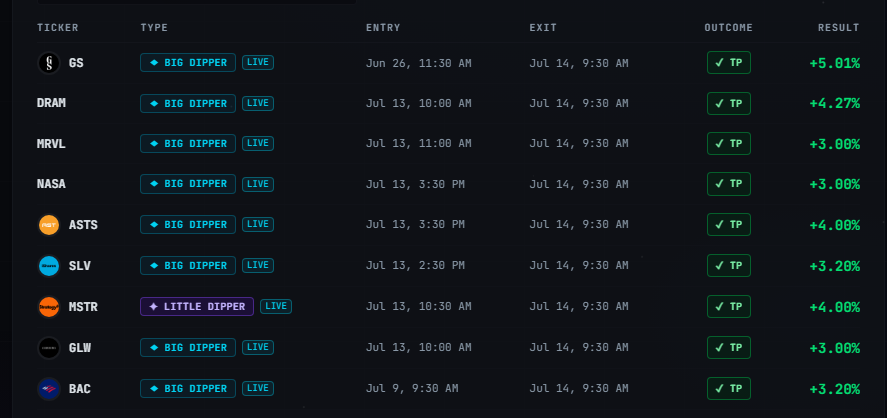
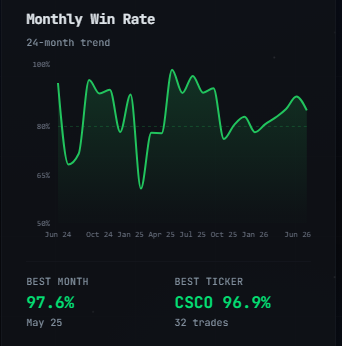
Every morning the Big Dipper delivers curated DIP ZONE trade ideas — stocks already at high-probability entry levels, with targets pre-set. No guessing, no scanning. Just setups.
From Find Better Trades
Consistent Income. Any Market Direction.
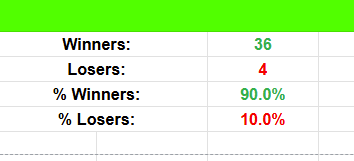
A low-risk debit spread every Thursday, built to make steady returns whether the market runs up, down, or sideways.
Earnings Volatility FAQ
Q: Why did my call option lose value even though the stock rallied after earnings?
A: Your call lost value because of implied volatility crush. If the stock’s upward move did not exceed the expected move priced into the option, the rapid drop in vega drained more value than delta added.
Q: How do you calculate the expected move for an earnings report?
A: Add the price of the at-the-money call and at-the-money put expiring right after earnings, then multiply that sum by 0.85. This provides the standard one-standard-deviation move priced in by market makers.
Q: What is the best strategy to trade earnings without getting crushed by volatility?
A: The most reliable method is selling out-of-the-money credit spreads beyond the calculated expected move, or waiting until the morning after the report to trade the continuation trend once implied volatility has already reset.
📈 Want More? Join Our Free Trading Community
- Trading Strategy Guides Telegram — daily strategy tips and market insights
- Find Better Trades Telegram — free trade signals delivered to your phone
- Find Better Trades on YouTube — live trade breakdowns and tutorials