Why Debit Spreads Beat Long Calls for Small Accounts


📊 November 24, 2026
- Buying outright long calls on a small account is a guaranteed path to slow capital bleed via theta decay.
- The fatal flaw of single-leg calls is demanding price direction, timing, and momentum all align perfectly before the contract expires worthless.
- Use defined-risk vertical debit spreads to slash your cash outlay, pull your breakeven closer to the money, and neutralize the clock.
— Ben, Find Better Trades
A bull call debit spread beats an outright long call for small accounts by financing the trade with a short strike, which slashes your cost basis and neutralizes destructive theta decay. Small traders obsess over the fairy tale of unlimited upside, but professional traders prefer defined, realistic payouts with higher statistical probability. If your account sits below five figures, buying single-leg calls is the fastest way to bleed out on trades where your directional thesis was actually right.
The tool I use for this: TriTrader+. Auto-maps ascending, descending, and symmetrical triangles with breakout alerts the moment price escapes the pattern. See TriTrader+ →
When you buy an outright call, you are fighting both the chart and the calendar. A debit spread converts that hostile clock into an ally, lowering your breakeven and giving your setup room to breathe.
Why Everyone Gets This Wrong
Retail traders get hooked on single-leg long calls because of lottery-ticket math. You see an out-of-the-money contract trading for $1.50, calculate that a five-dollar move will triple your money, and convince yourself that limiting your upside with a spread is a fool’s compromise.
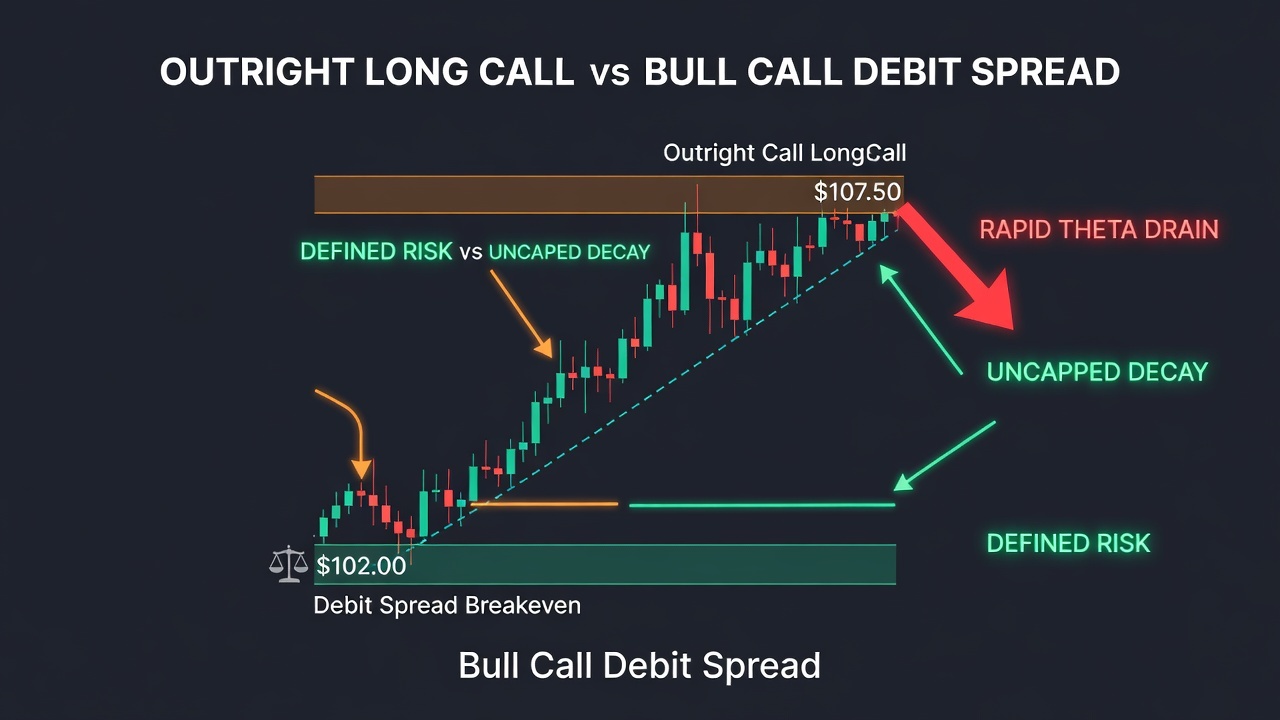
Here is where that logic falls apart in real trading. Say a stock is consolidating at $100 right above its 20-period exponential moving average, showing clean volume compression before a breakout. You buy a 30-day $105 strike call for $2.50, putting your breakeven at $107.50 at expiration.
The stock breaks out just like you predicted, grinding steadily higher to $104 over the next 18 days. Your chart analysis was completely spot-on, yet your call option is now down 65% because time decay accelerated and implied volatility cooled off after the initial breakout move.
You paid for a directional move that you correctly anticipated, yet your small account took a direct hit. When you buy outright calls, you must be correct on three distinct variables: direction, speed, and magnitude. Miss on even one, and the market takes your premium.
What Actually Works
A vertical bull call debit spread solves the three-variable problem by pairing a long strike with a short strike further out of the money. By selling that higher strike, you collect premium that directly offsets the cost of your long option and cancels out a massive portion of daily theta decay.
Take that exact same $100 consolidation setup. Instead of buying an out-of-the-money lottery ticket, you buy the at-the-money $100 call for $4.00 and simultaneously sell the $105 call against it for $2.00, resulting in a net debit of $2.00.
Your max risk is strictly limited to the $2.00 you paid, but look at the difference in mechanics. Your breakeven is now $102.00 instead of $107.50, and your max payout is $3.00 if the stock simply hits the short strike at expiration.
| Strategy | Capital Required | Breakeven Price | Theta Decay Impact |
|---|---|---|---|
| Outright Long $105 Call | $250 per contract | $107.50 | Severe negative drag daily |
| $100/$105 Bull Call Spread | $200 per spread | $102.00 | Balanced by short strike |
To trade this properly on a small account, follow three non-negotiable execution rules:
- Strike Selection: Buy the strike closest to a 50 delta (at the money) and sell a strike between 30 and 35 delta at a known resistance level.
- Trade Duration: Target 30 to 45 days to expiration to allow the technical move sufficient room to develop without suffering rapid late-cycle decay.
- Exit Discipline: Close the spread when it reaches 50% to 60% of maximum profit rather than squeezing out the final cents, and cut the trade if the underlying closes below the 20-period moving average on the daily chart.
- Position Sizing: Risk no more than 2% of total account capital on any single spread to avoid catastrophic drawdowns during losing streaks.
When Outright Calls Can Still Make Sense
Outright calls have a legitimate place when implied volatility is historically crushed and you anticipate an explosive, multi-standard-deviation move. If an underlying asset has traded in an ultra-tight range for weeks and options pricing reflects zero anticipation of movement, buying raw gamma gives you uncapped upside for cheap.
They also work well when utilized as deep-in-the-money synthetic stock replacements with 80 or 90 delta contracts dated six months out. However, if your strategy relies on trading short-term technical breakouts on momentum stocks, debit spreads protect your small account from the hidden tax of volatility collapse.
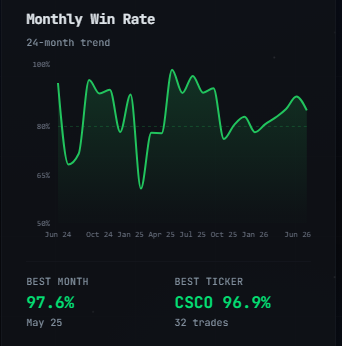
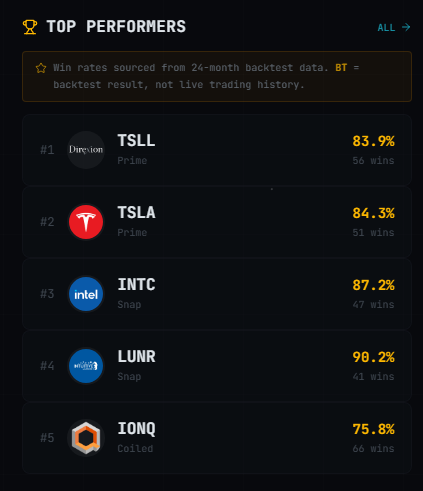
🎯 Want Setups Like These? The Big Dipper Does the Scanning For You.
Every morning the Big Dipper delivers curated DIP ZONE trade ideas — stocks already at high-probability entry levels, with targets pre-set. No guessing, no scanning. Just setups.
From Find Better Trades
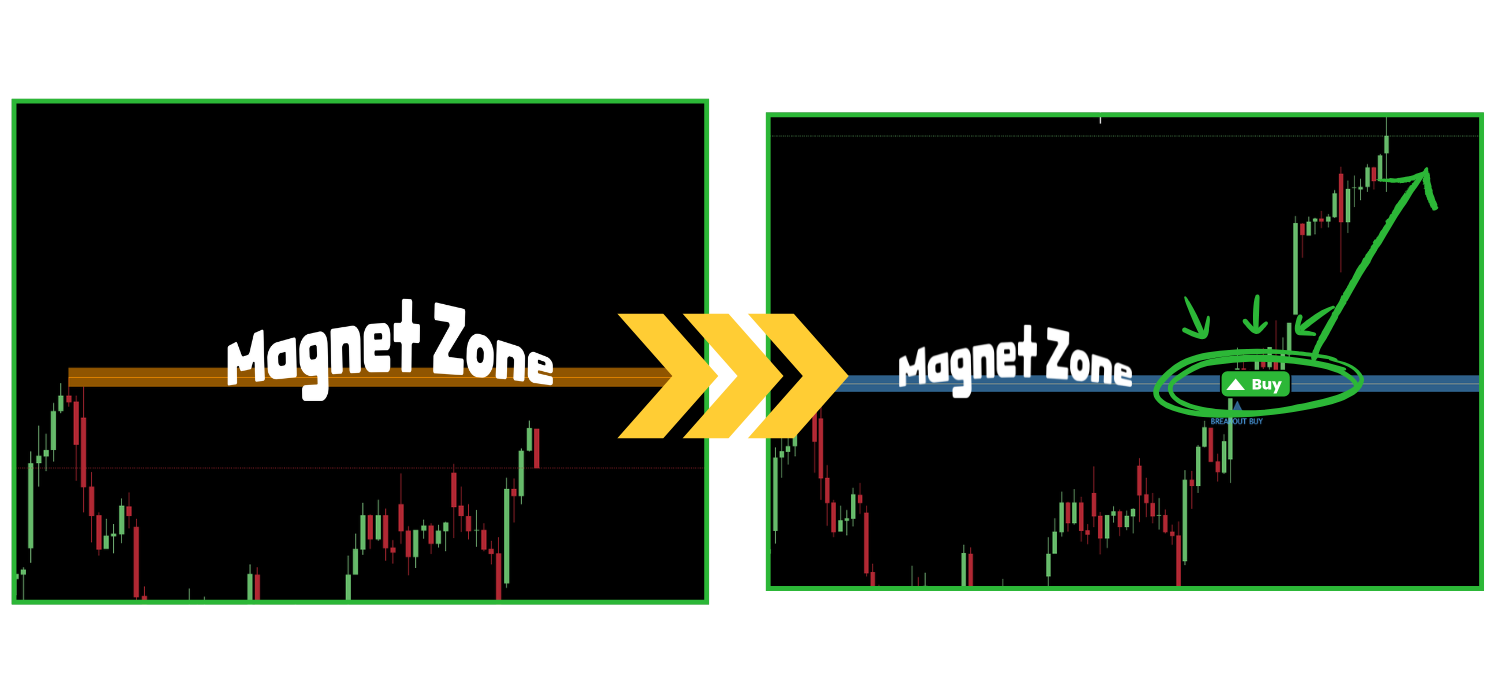
Know Exactly Where The Big Money Steps In
Auto-plots institutional support & resistance zones from pure price action — no more guessing at levels.
Debit Spreads vs Long Calls FAQ
Q: Does capping your profit on a debit spread prevent you from making life-changing gains?
A: Capping your profit is the exact fee you pay to bring your breakeven down and eliminate theta risk. Consistent 50% returns on risk build a small account dramatically faster than chasing 500% winners that expire worthless 85% of the time.
Q: What happens if the stock price gaps way past my short call strike?
A: You simply collect your maximum allowable profit on the spread. Your long call pays out while your short call is offset, meaning you cannot lose additional money regardless of how high the stock flies.
Q: Can a debit spread lose more money than what you paid for it?
A: No, a standard vertical debit spread has strictly defined risk limited entirely to the net debit paid at entry. You can never lose more than your initial purchase price, provided both legs are closed together prior to expiration.
📈 Want More? Join Our Free Trading Community
- Trading Strategy Guides Telegram — daily strategy tips and market insights
- Find Better Trades Telegram — free trade signals delivered to your phone
- Find Better Trades on YouTube — live trade breakdowns and tutorials