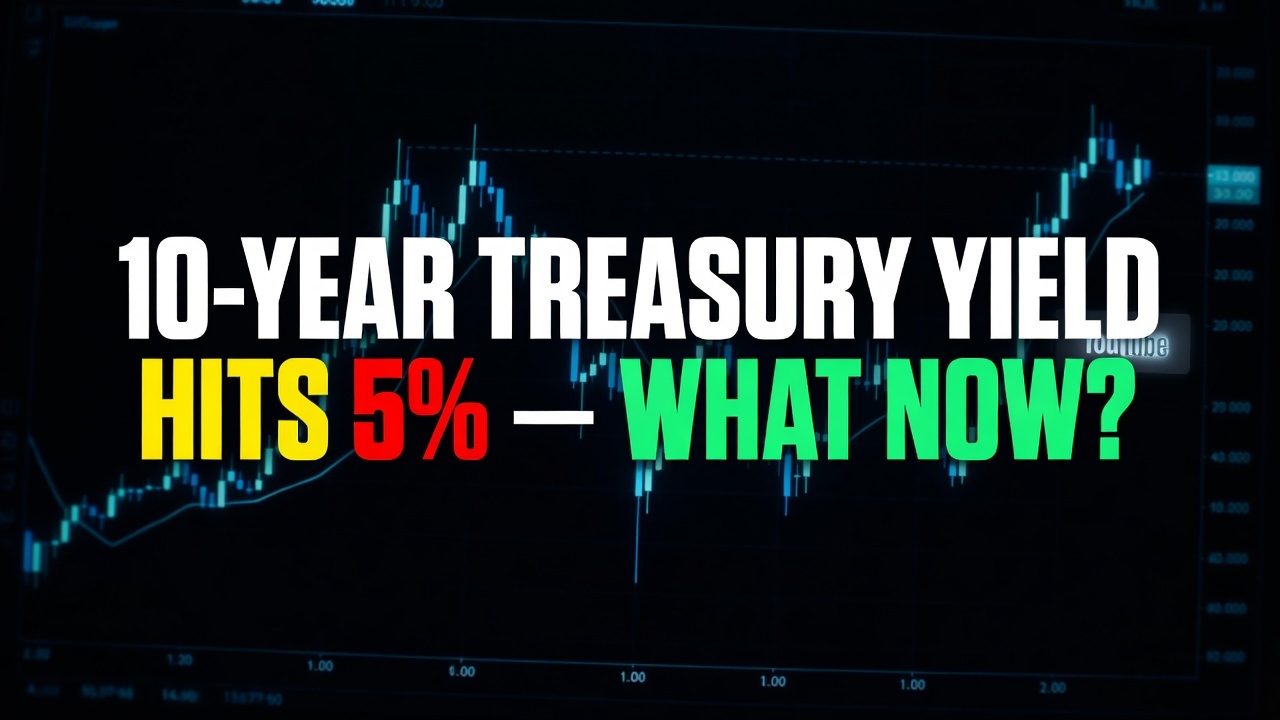
10-Year Treasury Yield Hits 5% — What Now? September 14, 2026

⚡ What This Means for Traders — September 14, 2026
- The 10-year Treasury yield topping 5% changes everything for risk assets.
- Expect continued pressure on growth stocks and a rotation into value plays and defensive sectors.
- I’m squarely bearish on broad equities in the short term.
— Ben, Find Better Trades
Five percent. That’s the number that just flashed across my screen. The 10-year Treasury yield blew past 5% today, a level we haven’t seen since 2007. This isn’t just a headline; it’s a tremor for every trader out there, and you need to react.
What Just Happened
The benchmark 10-year Treasury yield briefly touched the crucial 5% threshold on Monday. This isn’t just a number; it’s a major psychological and technical level that signals a serious bond-market selloff.
Why the sudden jump? Oil prices are marching higher, fueling inflation fears. There’s also growing jitters about artificial intelligence valuations, making investors question riskier assets.
Investors are clearly looking elsewhere for safety, or demanding much higher returns for holding government debt. This move blew past many analysts’ expectations for where yields would settle this year.
The bond market is screaming ‘higher for longer’ on interest rates. This 5% mark is the market’s blunt message to the Fed and to traders everywhere.
What It Means for Your Trades
Higher yields mean borrowing costs skyrocket for businesses and consumers alike. Companies with heavy debt loads are going to feel a significant squeeze on their balance sheets. Avoid highly leveraged firms right now; their profit margins will evaporate.
Growth stocks, especially in the tech sector, get hit hardest in this environment. Their future earnings are discounted much more aggressively when the risk-free rate rises. Look for short opportunities or stay completely away from overvalued names with little current cash flow.
On the flip side, financial stocks often benefit from a rising rate environment. Banks can earn more on their lending products, widening their net interest margins. Keep an eye on solid regional banks and larger diversified financials; they might be the only green shoots.
Defensive sectors like utilities and consumer staples might also see a rotation of capital. These are typically less volatile and offer stable dividends when risk aversion kicks in. They won’t make you rich, but they offer some shelter from the storm.
Commodities, particularly oil, are also seeing strength, which contributes to the yield pressure. Consider energy sector exposure if you want to play the inflation angle. Just remember the volatility that comes with it.
My Take
I’m squarely bearish on the broader market for the immediate future. This 5% yield isn’t some fleeting anomaly; it’s a profound statement from the bond market. The cost of capital is now significantly higher, period.
You don’t fight the Fed, and you definitely don’t fight the bond market when it’s screaming this loud. Cash is king in times like these, and defensive plays or well-placed shorts are where you want to be. I don’t see a quick rebound or a ‘dip buying’ opportunity here.
This isn’t a time for speculative heroics. Protect your capital, identify the most vulnerable sectors for short setups, and practice extreme patience. The market needs to digest this new reality. Conviction: high.
Macro Pulse FAQ
Q: What happens when 10-year Treasury yield goes up?
A: When the 10-year Treasury yield goes up, it means investors demand a higher return on their government debt. This typically makes borrowing more expensive across the entire economy, impacting mortgages, corporate loans, and more.
Q: How does 5% yield affect stock market?
A: A 5% yield makes riskier assets like stocks less attractive by comparison, as you can get a decent return with less risk. It usually puts significant downward pressure on stock valuations, especially for growth companies with distant earnings.
Q: Are bond prices falling if yields are rising?
A: Yes, bond prices and yields move inversely to each other. When yields rise, it means the price of existing bonds is falling, indicating a significant bond market selloff as investors dump older, lower-yielding bonds.
Q: Which sectors get hurt most by high yields?
A: High-growth tech stocks and companies with heavy debt loads are typically hit the hardest. Their valuations rely on future growth, which becomes less attractive with higher discount rates and increased borrowing costs.
Free For Traders
One Clear Arrow. Every High-Probability Setup. Free.
The Fusion Indicator combines multiple signals into a single buy/sell arrow on TradingView so you never miss a move.

From Find Better Trades
Only Trade When Momentum Is HEAVILY In Your Favor
The Power Index oscillator measures trend conviction at a glance — it filters out weak, choppy action so you only take the strong moves.

📈 Want More? Join Our Free Trading Community
- Trading Strategy Guides Telegram — daily strategy tips and market insights
- Find Better Trades Telegram — free trade signals delivered to your phone
- Find Better Trades on YouTube — live trade breakdowns and tutorials