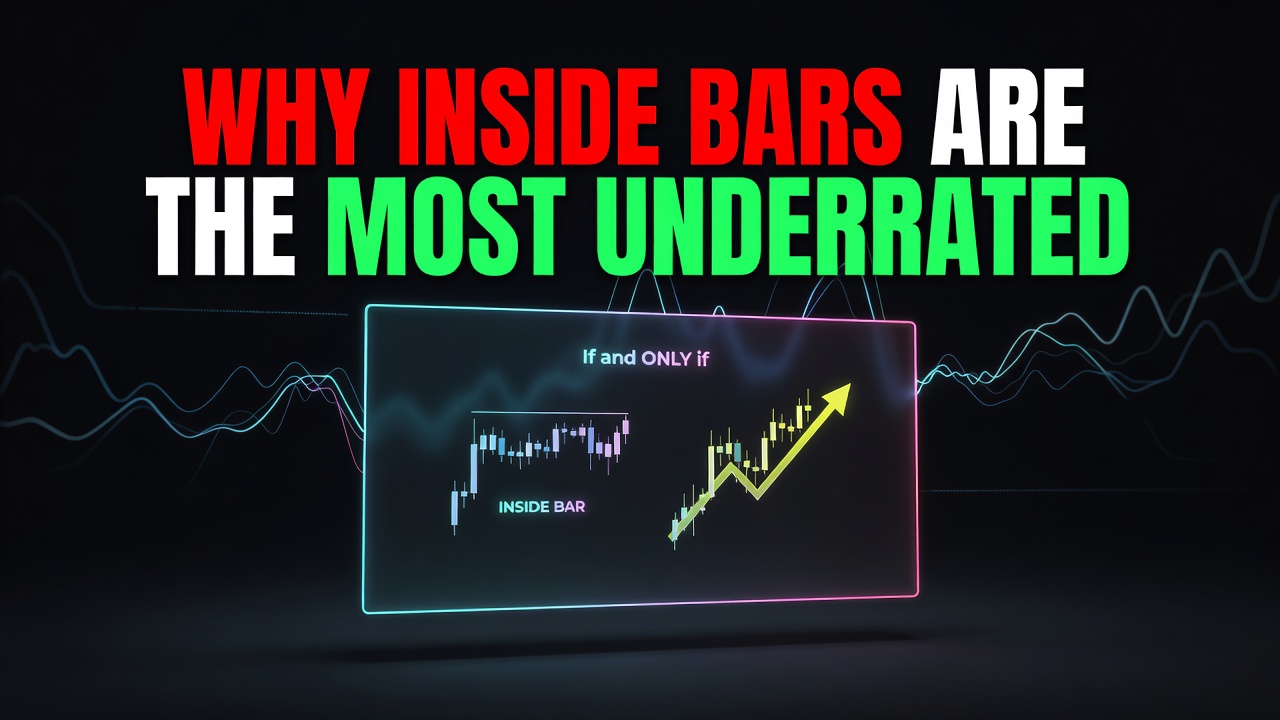
Why Inside Bars Are the Most Underrated Price Action Setup

📊 July 29, 2026
- Inside bars are volatility coiling mechanisms that deliver massive risk-to-reward ratios when traded strictly as trend continuation triggers.
- The single biggest mistake traders make is taking inside bar breakouts blindly in market chop without structural trend context.
- Filter for strong higher-timeframe momentum and anchor risk directly to the inside bar high/low to maximize payoff.
— Ben, Find Better Trades
I see retail traders spend thousands of dollars buying complex indicators while ignoring the most profitable signal sitting right on their raw charts. The inside bar is routinely written off as a generic consolidation candle, but it is actually the single cleanest risk-to-reward setup in price action trading. If you want to stop getting chopped up by false breakouts and start catching explosive continuation legs, you need to change how you trade this pattern.
Why Everyone Gets This Wrong
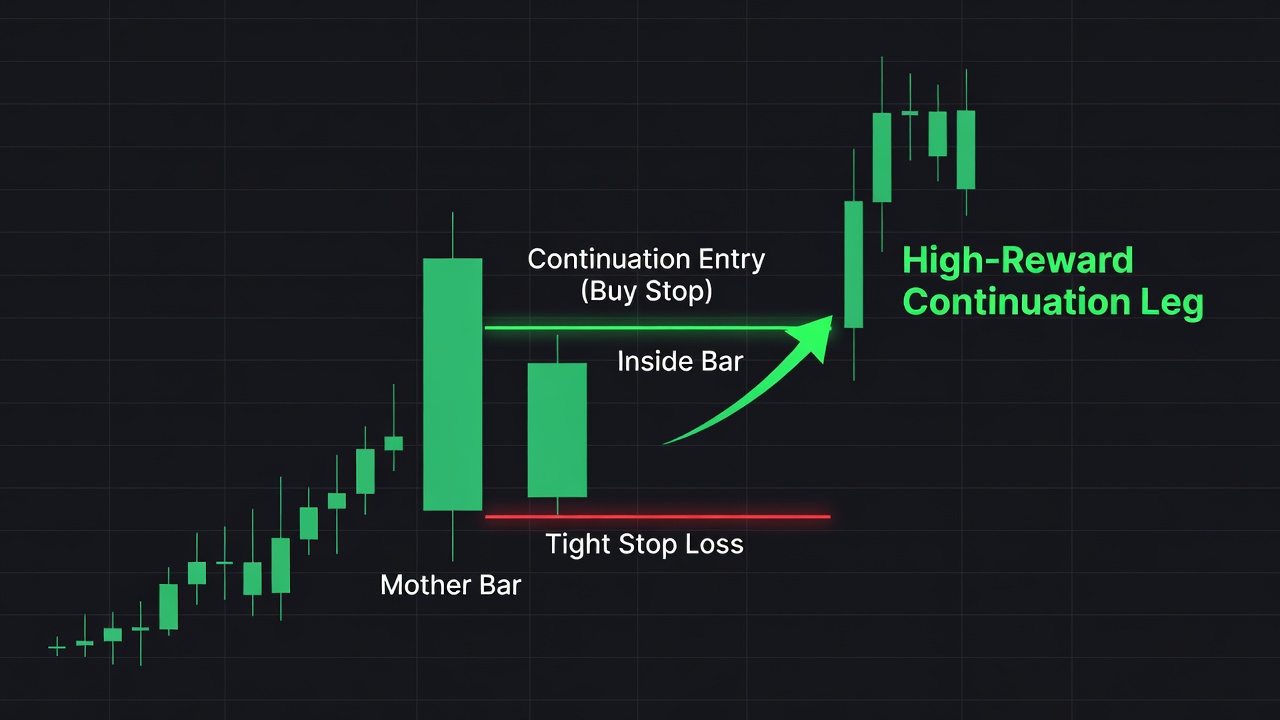
Most popular trading tutorials teach you to place buy stops above the mother bar high and sell stops below its low the moment an inside bar forms. That blind approach is a guaranteed recipe for bleeding capital over time. An inside bar is simply temporary price compression where buyers and sellers reach a short-term stalemate.
When you trade an inside bar inside a sideways, range-bound market, you are walking into a trap. Price will pop above the inside bar high by three ticks, lure in breakout buyers, instantly reverse to flush sell stops below the low, and then drift right back to the middle. The pattern did not fail; your complete disregard for market structure failed.
Another common mistake is treating every single nested candle as an actionable trade. If the mother bar was created by a massive, parabolic news spike, the inside bar that follows is just liquidity drying up. You need structural compression after a healthy move, not post-exhaustion drift where institutional interest has vanished.
Without strong directional momentum driving price into the setup, an inside bar breakout is just market noise. Traders who refuse to check the higher-timeframe trend end up paying execution fees to fund institutional liquidity pools.
What Actually Works
To pull consistent profits from inside bars, you must view them exclusively as coil-and-release triggers within active trends. Look for a powerful impulse move on the daily or 4-hour chart that creates a clear directional bias. When price pauses and forms an inside bar at the upper boundary of that expansion move, massive energy is storing for the next leg higher.
My favorite variation is the double inside bar setup, where two consecutive candles compress entirely within the original mother bar boundary. This multi-candle squeeze signals that market volatility has contracted to an extreme degree. The eventual expansion out of a double inside bar frequently triggers aggressive momentum moves with almost zero initial drawdown.
Next, you must rewrite your risk management rules for this setup. Instead of hiding your stop loss all the way behind the broad mother bar, anchor your stop just past the extreme of the inside bar itself. This simple tweak shrinks your trade risk dramatically, allowing you to scale position size safely and capture 4:1 or 5:1 reward-to-risk returns on simple breakouts.
Finally, align your trade entry with active market session opens. An inside bar breaking out during thin trading hours often fizzles into a slow drift. You want the breakout to trigger right as London or New York volume enters the market to propel price directly into your profit targets.
When Inside Bars Can Still Help
Even if you prefer trading other strategies, inside bars serve as incredible market regime indicators. Spotting a series of tight inside bars consolidating against a major higher-timeframe support level alerts you that aggressive sellers are failing to push price lower, signaling potential structural absorption.
They also act as an objective trailing stop management framework. If you are riding a profitable trend move, trailing your stop loss behind newly formed inside bar lows lets you lock in open gains while giving the position adequate breathing room.
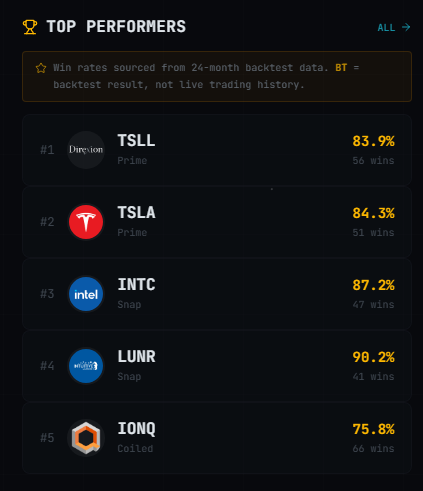
🎯 Want Setups Like These? The Big Dipper Does the Scanning For You.
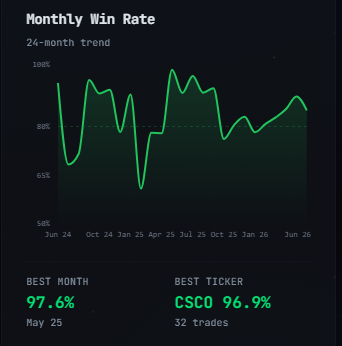
Every morning the Big Dipper delivers curated DIP ZONE trade ideas — stocks already at high-probability entry levels, with targets pre-set. No guessing, no scanning. Just setups.
Frequently Asked Questions About Inside Bars
Q: What is the best timeframe to trade inside bars?
A: The 4-hour and daily timeframes yield the highest win rates because they filter out random noise and represent true institutional consolidation. Lower timeframes like the 5-minute generate far too many false breakouts due to routine order sweeping.
Q: How should I handle a false breakout of an inside bar?
A: If price breaks the inside bar high but immediately fails and closes back inside its range, close the trade fast. This failed breakout frequently creates a high-probability trap trade in the opposite direction.
Free For Traders
One Clear Arrow. Every High-Probability Setup. Free.
The Fusion Indicator combines multiple signals into a single buy/sell arrow on TradingView so you never miss a move.

From Find Better Trades
Consistent Income. Any Market Direction.
The Income Project’s low-risk debit spread system generates steady returns whether the market runs up, down, or sideways.

📈 Want More? Join Our Free Trading Community
- Trading Strategy Guides Telegram — daily strategy tips and market insights
- Find Better Trades Telegram — free trade signals delivered to your phone
- Find Better Trades on YouTube — live trade breakdowns and tutorials