Moving Average Crossovers Are a Retail Trap

📊 August 21, 2026
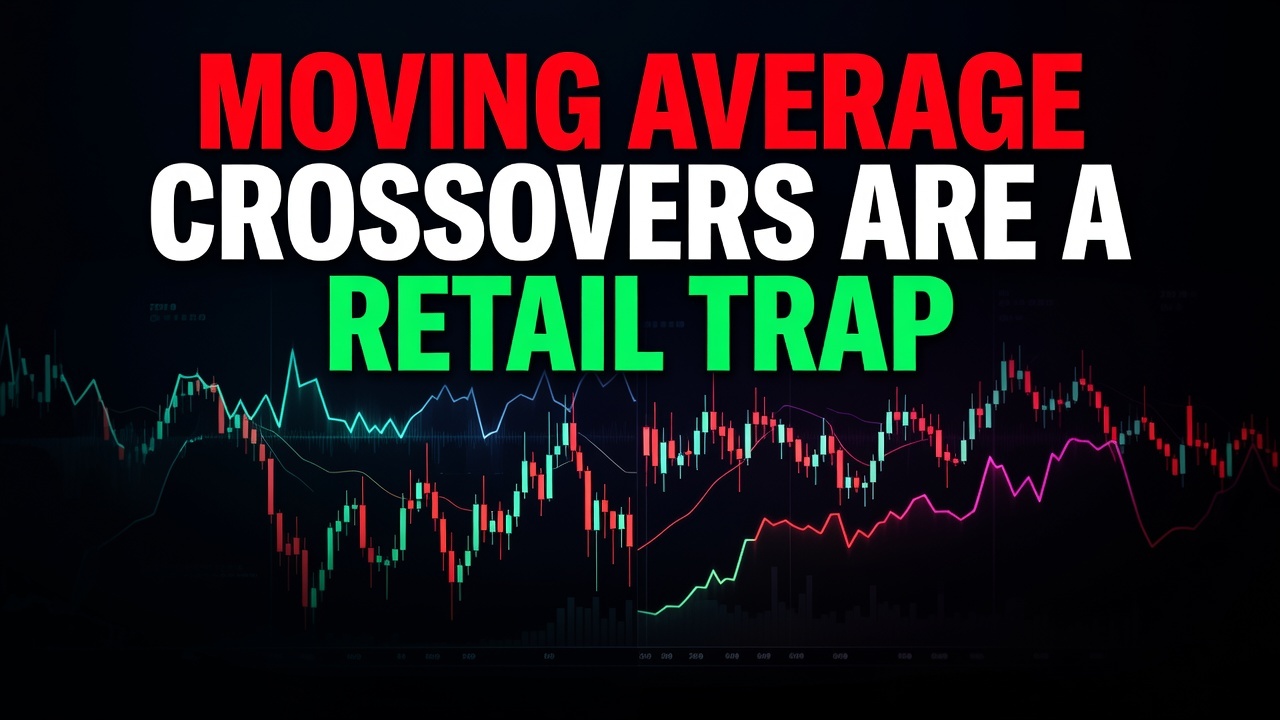
- Trading moving average crossovers as direct entry triggers is a guaranteed way to bleed your account dry.
- The inherent mathematical lag ensures you buy at the peak of exhaustion legs and get shredded in sideways consolidation.
- Use a single higher-timeframe moving average as a trend filter and enter on structural pullbacks instead.
— Ben, Find Better Trades
Every trading book for beginners hands you the exact same lazy playbook: buy when the fast moving average crosses above the slow one, and sell when it crosses below. It sounds effortless on paper, looks pristine on cherry-picked historical charts, and empties retail accounts faster than almost any other retail setup.
I fell for it early in my trading career, and I watch new traders walk into the identical meat grinder every single week.
Why Everyone Gets This Wrong
Moving averages are mathematical derivatives of past price action. By the time a fast moving average crosses over a slow one, the aggressive impulse move that created the cross is already mature or completely exhausted.
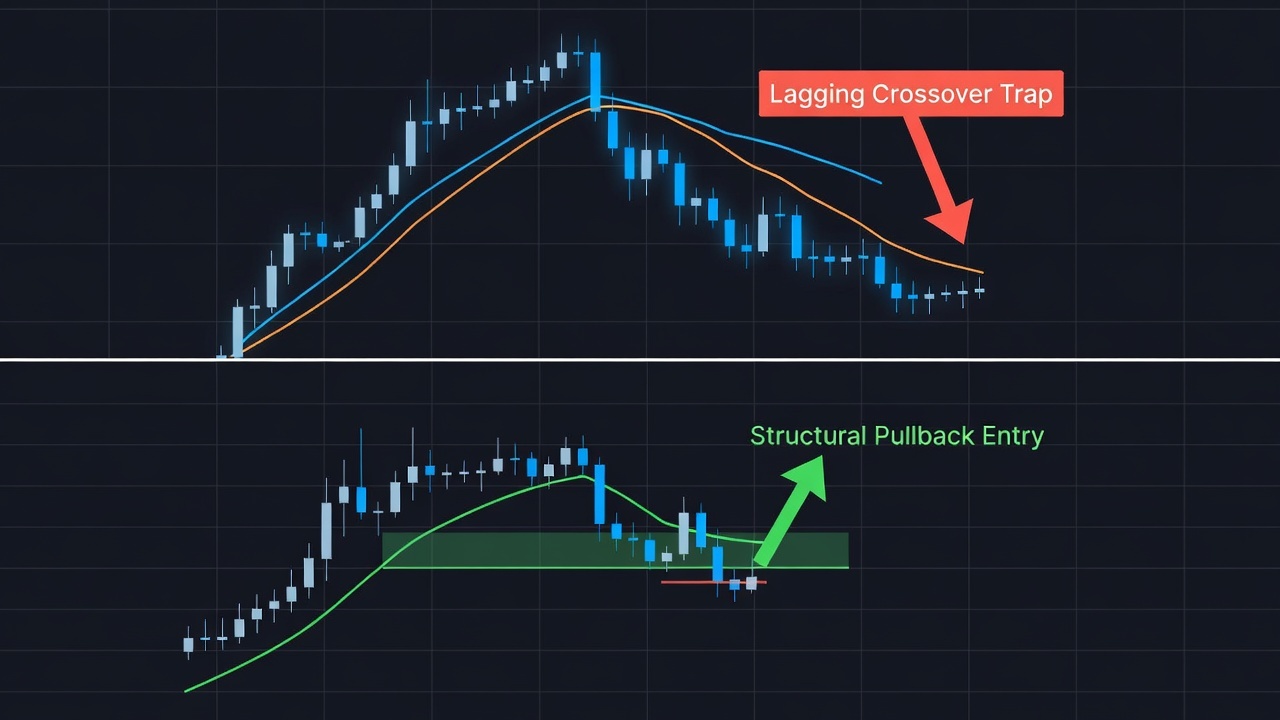
Consider what actually happens on your chart. Price breaks out, rips upward across several bars, and reaches an overbought extreme before the moving averages finally catch up and cross. You hit the buy button right when early institutional buyers are taking profits and using your late market order as exit liquidity.
To make matters worse, markets spend the majority of their time stuck in sideways ranges. During these consolidation phases, moving averages flatten out and intertwine, triggering endless false breakout buy and sell signals that butcher your capital through consecutive stopouts.
You cannot use a lagging indicator to pinpoint precision entries. When you execute purely on a crossover, you are consistently late to the party and first in line to absorb the pullback.
What Actually Works
Stop using moving averages as trade triggers and start using them strictly as directional filters. Strip the clutter off your chart and leave a single 20-period or 50-period exponential moving average to give you immediate context on market bias.
If price is holding above a rising 50 EMA, you trade strictly from the long side. But instead of buying because an indicator told you to, you wait for price to pull back into previous horizontal resistance that has flipped into established support.
When price pulls into that structural support zone while the moving average rises up underneath it to act as dynamic confluence, you have a real edge. You can place your trade at an asymmetric discount with a clear, tight invalidation level right below structure.
This simple adjustment shifts your entire execution model from chasing overextended momentum to buying institutional value in the direction of the broader trend.
When Moving Average Crossovers Can Still Help
Crossovers have one legitimate purpose: identifying macro regime shifts on daily and weekly charts. When the 50-day moving average crosses the 200-day moving average, it signals broad institutional capital repositioning over a multi-month horizon.
Use high-timeframe crosses strictly to determine your macro bias, but leave them completely out of your execution triggers.
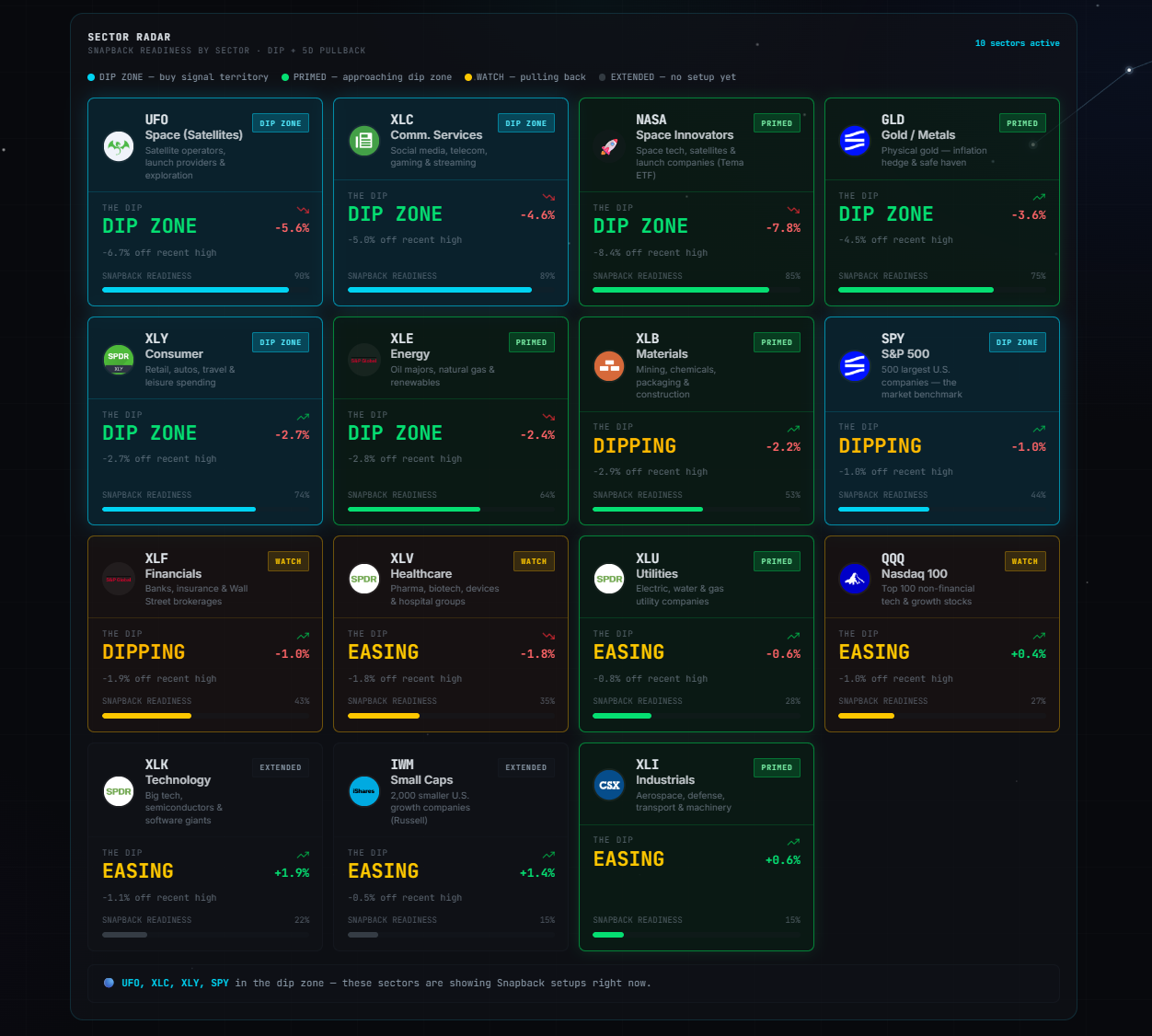
🎯 Want Setups Like These? The Big Dipper Does the Scanning For You.
Every morning the Big Dipper delivers curated DIP ZONE trade ideas — stocks already at high-probability entry levels, with targets pre-set. No guessing, no scanning. Just setups.
Moving Average Crossover FAQ
Q: What is the best moving average crossover setting for day trading?
A: None of them work reliably as execution triggers. Use a single 20 EMA or 50 EMA strictly as a trend filter, and execute your entries on price pullbacks into structural support levels.
Q: Why do some backtests show moving average crossovers making money?
A: Those backtests are typically curve-fitted to isolated trending runs while ignoring realistic slippage, wide spreads, and the brutal drawdowns generated during sideways consolidation.
Free For Traders
Get Free Weekly Trade Ideas Sent Straight To Your Phone
Join thousands of traders who get high-probability setups delivered every week — no cost, no catch.

From Find Better Trades
Know EXACTLY What To Trade At 9:30 AM
Morning Opening Range Breakout setups delivered before the bell. While everyone else is scrambling, you already have your plan.

📈 Want More? Join Our Free Trading Community
- Trading Strategy Guides Telegram — daily strategy tips and market insights
- Find Better Trades Telegram — free trade signals delivered to your phone
- Find Better Trades on YouTube — live trade breakdowns and tutorials