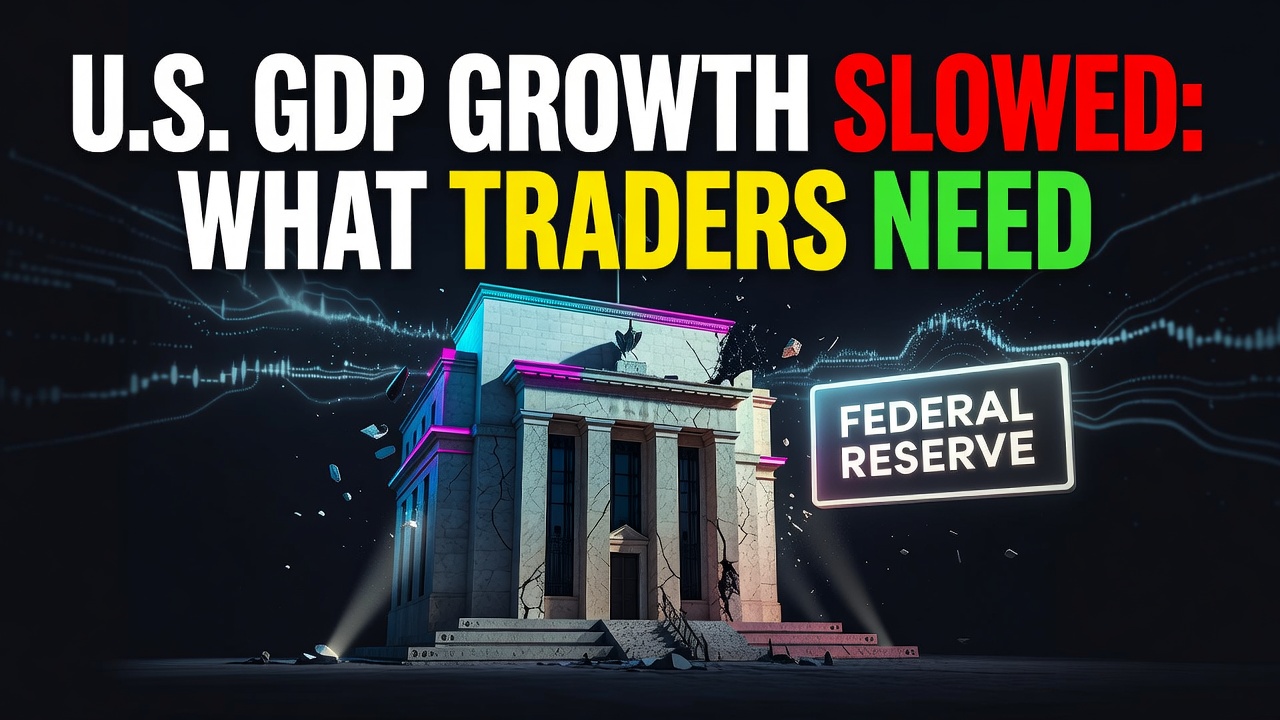
U.S. GDP Growth Slowed: What Traders Need to Know — July 30, 2026

⚡ What This Means for Traders — July 30, 2026
- The U.S. economy is slowing, period.
- Expect increased volatility and a defensive shift in the market immediately.
- I’m leaning bearish in the short term until we see clear market capitulation.
— Ben, Find Better Trades
1.5% GDP? That’s not growth; it’s barely treading water. The market’s reacting, and you need to be ready.
This isn’t some minor blip; it’s a clear signal the economy’s hitting the brakes.
What Just Happened
The U.S. economy just expanded at a paltry 1.5% annual rate in the second quarter. GDP, or Gross Domestic Product, is basically the report card for the entire economy.
This number is significantly lower than what many analysts expected, showing a clear slowdown. The war in the Middle East is messing with energy prices and supply chains, and we’re seeing the impact now.
What It Means for Your Trades
Expect growth stocks and cyclical sectors to take a hit. Discretionary spending will likely shrink, hurting retailers and travel stocks.
Energy stocks will stay volatile, caught between supply disruptions and potential demand destruction from a slowing economy. Don’t chase pumps in that sector.
Defensive sectors like utilities, consumer staples, and healthcare might get some love as traders seek safety. Look for companies with stable dividends and strong balance sheets.
Options traders should consider hedging existing long positions or looking at bearish plays on broad market indices. Volatility will be up, so premium will be juiced.
My Take
This GDP number confirms what I’ve been saying: the economy is weakening. We’re not in a full-blown recession yet, but we’re heading that way.
I’m bearish on the market here. The geopolitical risks combined with slowing domestic growth create a tough environment for bulls.
Don’t try to catch a falling knife. Wait for more clarity and a potential capitulation event before going long aggressively. Conviction: moderate — headline risk remains.
Macro Pulse FAQ
Q: Is 1.5% GDP bad for stocks?
A: Yes, absolutely. It signals slower corporate earnings and reduced consumer spending, which typically leads to selling pressure on equities.
Q: What sectors get hit by slow GDP?
A: Consumer discretionary, technology, industrials, and materials are usually the first to feel the pain. They rely heavily on economic expansion.
Q: Will the Fed cut rates after this GDP report?
A: This report increases the pressure on the Fed to consider rate cuts. They’ll be watching inflation closely, but slowing growth adds to the dovish argument.
Free For Traders
Know The EXACT Moment A Stock Hits Support Or Resistance
Real-time alerts fire the instant a stock approaches a critical level. Completely free.

From Find Better Trades
Stop Drawing Trendlines By Hand. Seriously.
Terraline auto-draws algorithmic trendlines that adjust in real time — perfectly connecting the swings you’d spend hours finding manually.

📈 Want More? Join Our Free Trading Community
- Trading Strategy Guides Telegram — daily strategy tips and market insights
- Find Better Trades Telegram — free trade signals delivered to your phone
- Find Better Trades on YouTube — live trade breakdowns and tutorials