Inside Bars Are the Most Underrated Setup in Price Action


📊 September 12, 2026
- Inside bars offer the tightest risk-to-reward ratio in technical trading, yet most retail traders dismiss them as useless chop.
- The fatal flaw is taking inside bars in dead consolidations without an established trend or prior expansion impulse.
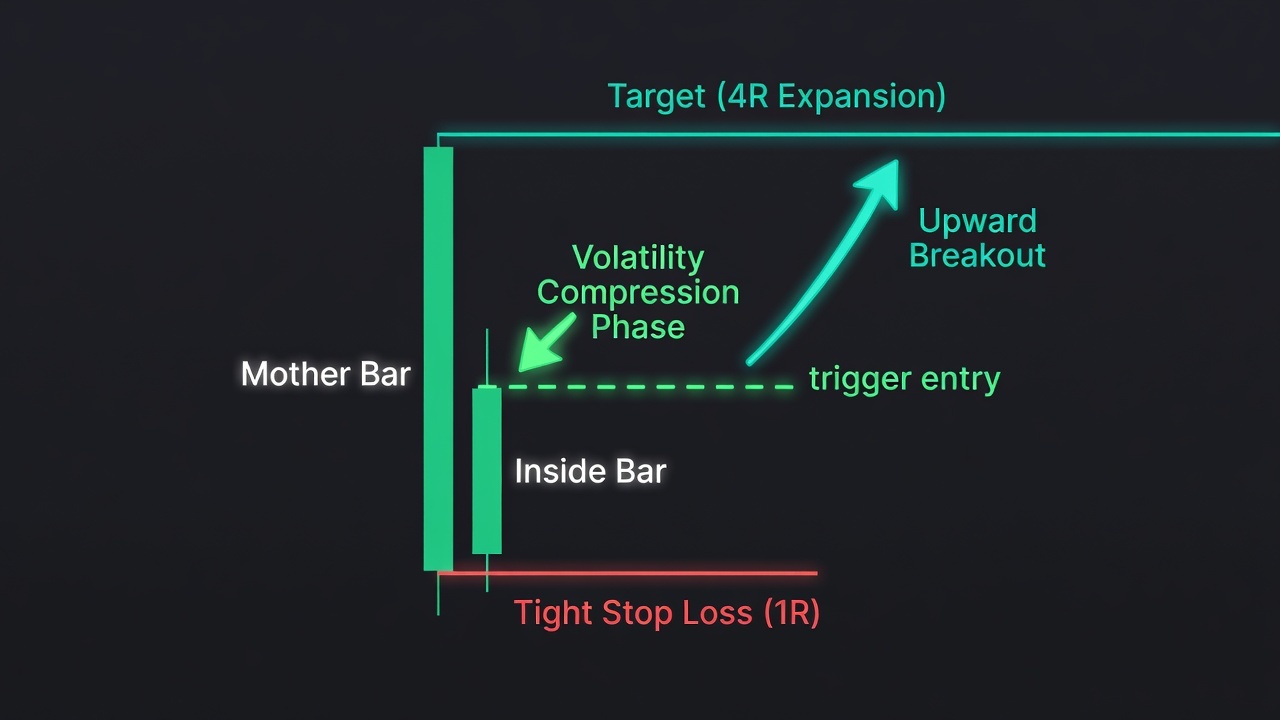
- Wait for an inside bar immediately following an aggressive breakout candle, then use the inside bar range alone for your entry and stop.
— Ben, Find Better Trades
Retail traders love obsessing over messy multi-indicator dashboards and exotic harmonic patterns that promise the world and deliver drawdowns. Meanwhile, the humble inside bar sits right on their charts, completely ignored because it looks quiet. If you want pristine asymmetric risk where you risk one unit of capital to make four or five, this is the most underappreciated price action pattern you can master.
Why Everyone Gets This Wrong
Most traders who hate inside bars tried trading them after glancing at a two-minute social media summary. They saw a small candle tucked inside a larger candle and immediately slapped down breakout orders on both sides. When you take every inside bar that pops up in the middle of a sideways, low-volume afternoon session, you get sliced to ribbons by chop.
Here is what happens on those losing trades. A stock drifts aimlessly in a sloppy twenty-cent range, prints a tiny inside candle, and retail traders rush to buy the tick above the mother bar. The market nudges two cents higher, traps those breakout buyers, and rolls right over to wipe out their stops. The retail trader blames the pattern, but the pattern was never the problem.
An inside bar is not a directional predictor by itself. It is simply a snapshot of temporary equilibrium and volatility contraction, like a coiled spring. Without an underlying institutional trend driving price into that compression, the breakout has zero follow-through and amounts to pure noise.
Trading every inside candle you spot on a chart is the fastest way to bleed out your equity curve. Context is the difference between a high-probability continuation and an account-draining whipsaw.
What Actually Works
The only way I trade an inside bar is as a volatility compression mechanism right after an aggressive impulse move. You want to see a powerful expansion candle—the mother bar—that clearly demonstrates institutional displacement. When the next bar stays completely inside that range, that is not weakness; that is buyers resting without giving back territory.
When markets open Monday, scan your daily charts for inside bars that formed directly at the edge of multi-week highs or fresh structural breakouts. That tells you sellers could not even push price down toward the midpoint of the mother bar. Your entry triggers when price breaks the high of the inside bar itself, giving you an invalidation level half the size of a standard breakout trader’s stop.
This tight invalidation is where your true edge lives. If price takes out the opposite side of that tiny inside candle, your thesis is dead and you exit with a tiny scratch. When the trend continues, your profit multiples explode because your initial risk footprint was microscopic.
Another lethal setup to watch when trading begins next week is the inside bar false break. When price briefly pokes below the inside bar low, sweeps retail stops, and instantly violently reverses back above the mother bar high, trapped short sellers fuel an explosive continuation rally.
When Inside Bars Can Still Help
Inside bars are not useless in larger ranges if you treat them strictly as risk management markers rather than breakout triggers. If you are already holding a winning swing position and an inside bar forms near a major resistance shelf, it gives you a clean structural level to lock in gains without guessing.
They also serve as an unbeatable warning system to stop chasing extended moves. When two or three inside bars stack inside each other on dying volume, liquidity has vanished, signaling you should preserve capital until fresh volume steps back in.
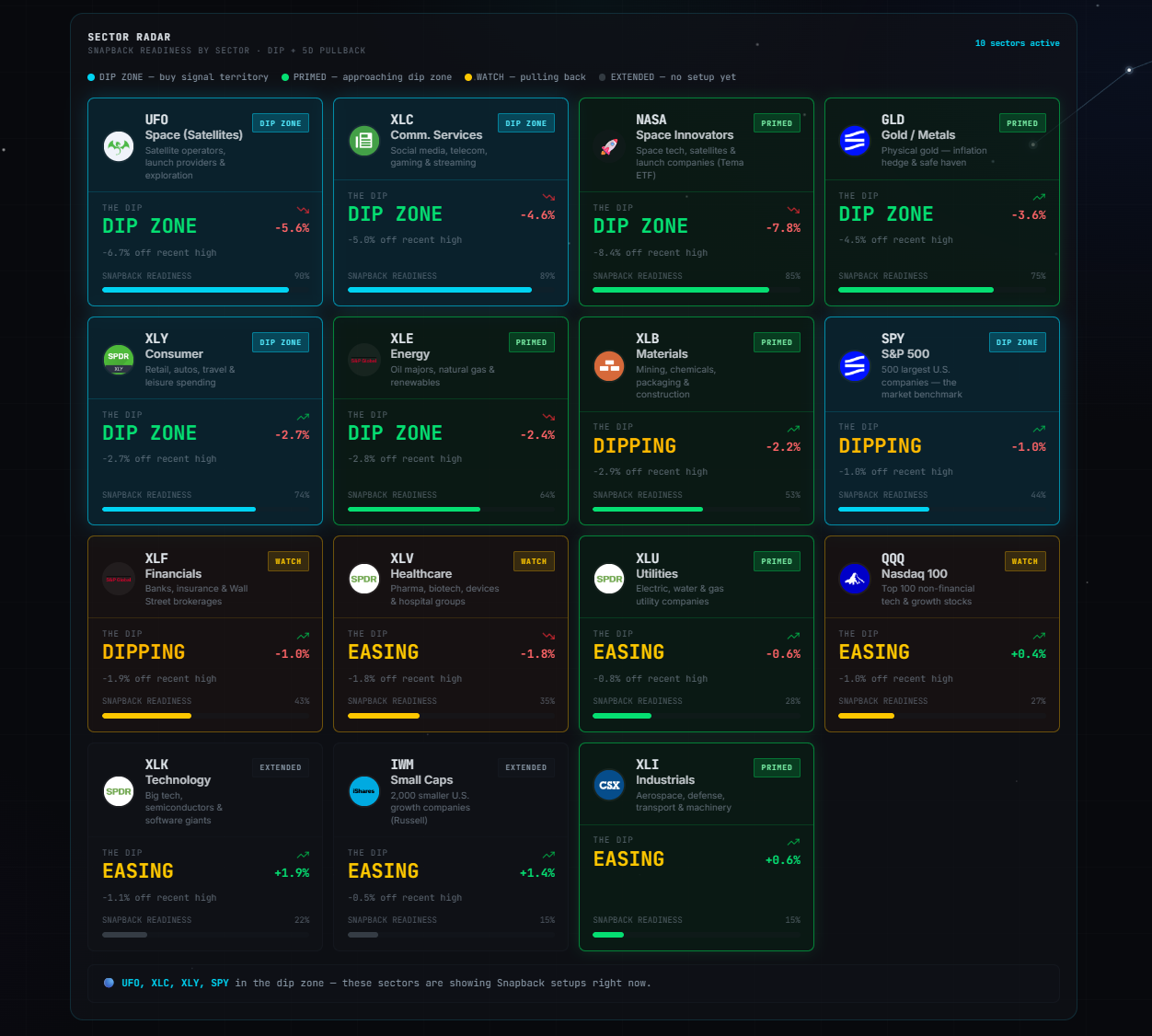
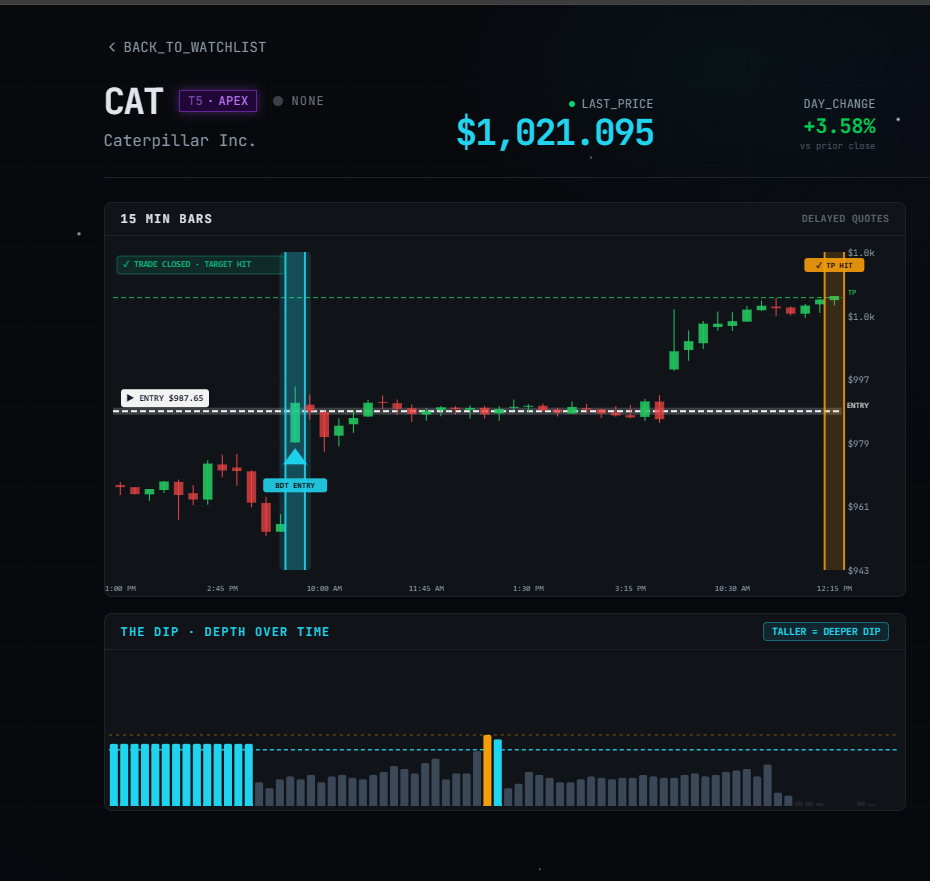
🎯 Want Setups Like These? The Big Dipper Does the Scanning For You.
Every morning the Big Dipper delivers curated DIP ZONE trade ideas — stocks already at high-probability entry levels, with targets pre-set. No guessing, no scanning. Just setups.
Inside Bar Trading FAQ
Q: What time frame works best for trading inside bars?
A: Daily and four-hour charts produce the cleanest inside bar setups because they filter out intra-day noise and reflect institutional volume. Avoid trading inside bars on charts under the fifteen-minute timeframe unless you specialize in opening-bell momentum.
Q: Should I set my stop loss at the mother bar low or the inside bar low?
A: Place your stop loss just beyond the inside bar extreme to maximize your risk-to-reward ratio and keep your losses tiny when the setup fails. Tucking your stop behind the entire mother bar widens your risk and destroys the asymmetric edge that makes this pattern valuable.
Free For Traders
Get Free Weekly Trade Ideas Sent Straight To Your Phone
Join thousands of traders who get high-probability setups delivered every week — no cost, no catch.

From Find Better Trades
The Pullback Isn’t A Warning. It’s Your Entry.
Slingshot catches the exact moment a trend pause is ready to rip back in your favor — built for explosive pullback continuations.

📈 Want More? Join Our Free Trading Community
- Trading Strategy Guides Telegram — daily strategy tips and market insights
- Find Better Trades Telegram — free trade signals delivered to your phone
- Find Better Trades on YouTube — live trade breakdowns and tutorials