Stop Placing Fixed Stops: How Price Action Fixes Bad Exits

📊 July 26, 2026
- Your stop loss should only trigger when your trade thesis is completely dead, not when volatility spikes.
- Fixed-pip offsets and indicator bands place exits directly inside institutional liquidity pools.
- Anchor your exits behind structural market pivots and calculate position sizing around that distance.
— Ben, Find Better Trades
Most traders treat stop losses like an accounting exercise, placing a fixed 20-pip buffer below entry and hoping for the best. I see trading accounts get shredded every single week because retail traders exit trades that were spot on regarding market direction.
When you learn to read raw market structure, your stop loss only triggers when your trade setup is entirely invalidated. If you are constantly getting stopped out right before price rockets in your intended direction, your entry is not the problem—your stop placement strategy is broken.
Why Everyone Gets This Wrong
Retail traders love clean, predictable math because it feels controllable. They pick a fixed 15-pip stop loss or slap an ATR trailing band on their charts, assuming risk management is just a static formula. They calculate position size first and force the market structure to fit their rigid parameters.
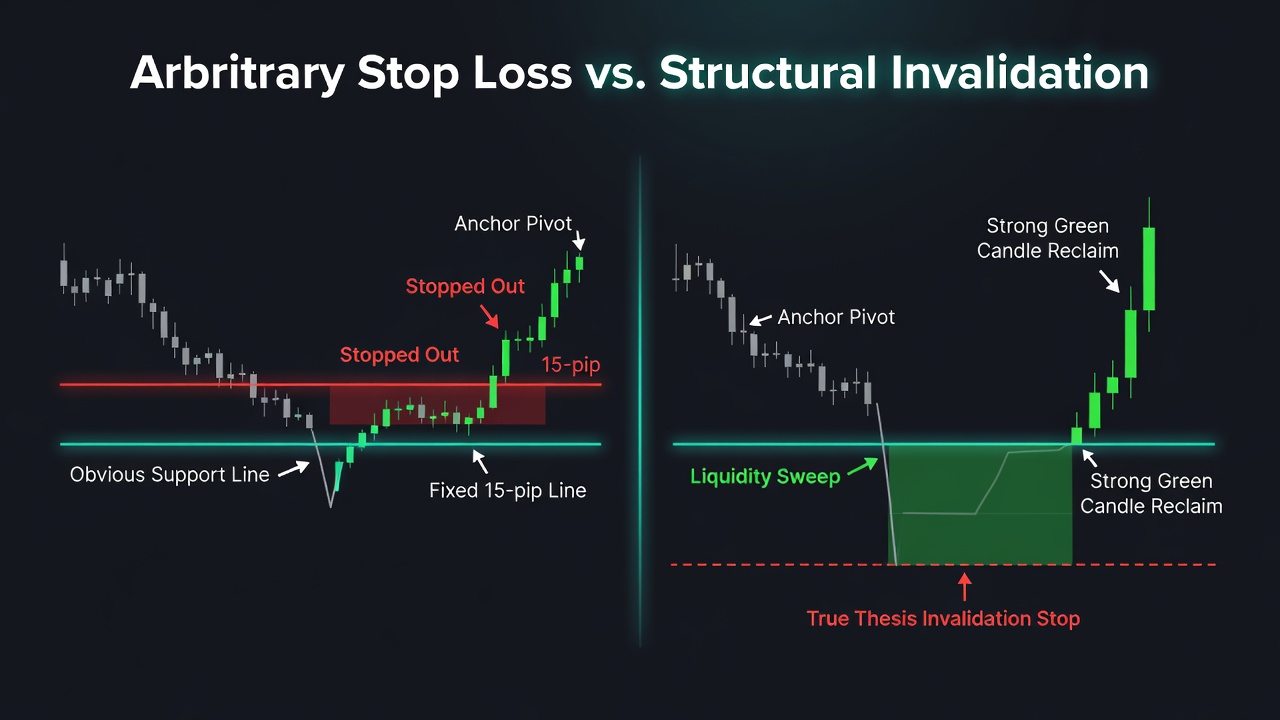
Institutional order flow algorithm designers love when retail traders do this. If you buy a breakout and place a tight 15-pip stop directly below a obvious daily support line, you are offering liquidity on a silver platter. Algorithms intentionally drive price through those obvious retail clusters to grab order flow before moving price back to the true trend direction.
Consider a typical consolidation pattern above a major support zone. Standard technical traders drop their stop loss five pips under the immediate swing low. Smart money pushes price six pips past that swing low to clean out the room, triggers every sell-stop in sight, and then rallies 120 pips into the intended target. You get stopped out at the absolute bottom of the move while your original direction call wins without you.
What Actually Works
Price action traders map market structure invalidation rather than arbitrary account math. If I decide to buy a higher-low pivot in an uptrend, my trade idea is only proven wrong if price breaks the major anchor pivot that generated the entire advance. My stop belongs underneath that structural anchor, nowhere else.
Before taking a trade, actively search for liquidity sweep zones on your chart. When price probes below a previous swing low, sweeps the retail stop clusters, and swiftly reclaims the level with a high-volume rejection candle, that reclaimed boundary becomes your structural shield. Placing your exit beyond that sweep line keeps you safe from secondary whipsaws.
Heading into Monday’s open, stop picking exit levels based on round pip numbers or arbitrary chart bands. Identify the exact pivot point that would make your bullish or bearish argument completely invalid. Measure the distance to that structural line, and adjust your contract or lot size so that dollar risk stays perfectly controlled regardless of how wide the stop needs to be.
When Volatility Metrics Can Still Help
I am not declaring volatility indicators like the Average True Range completely useless. ATR is a reliable metric for understanding session volatility, helping you determine whether the market is expanding or compressing before you enter.
Use ATR to adjust your position size so you can afford a wider, structure-based stop loss during volatile conditions. Just never allow an indicator line to serve as your actual exit barrier—let raw price pivots dictate where your trade idea dies.
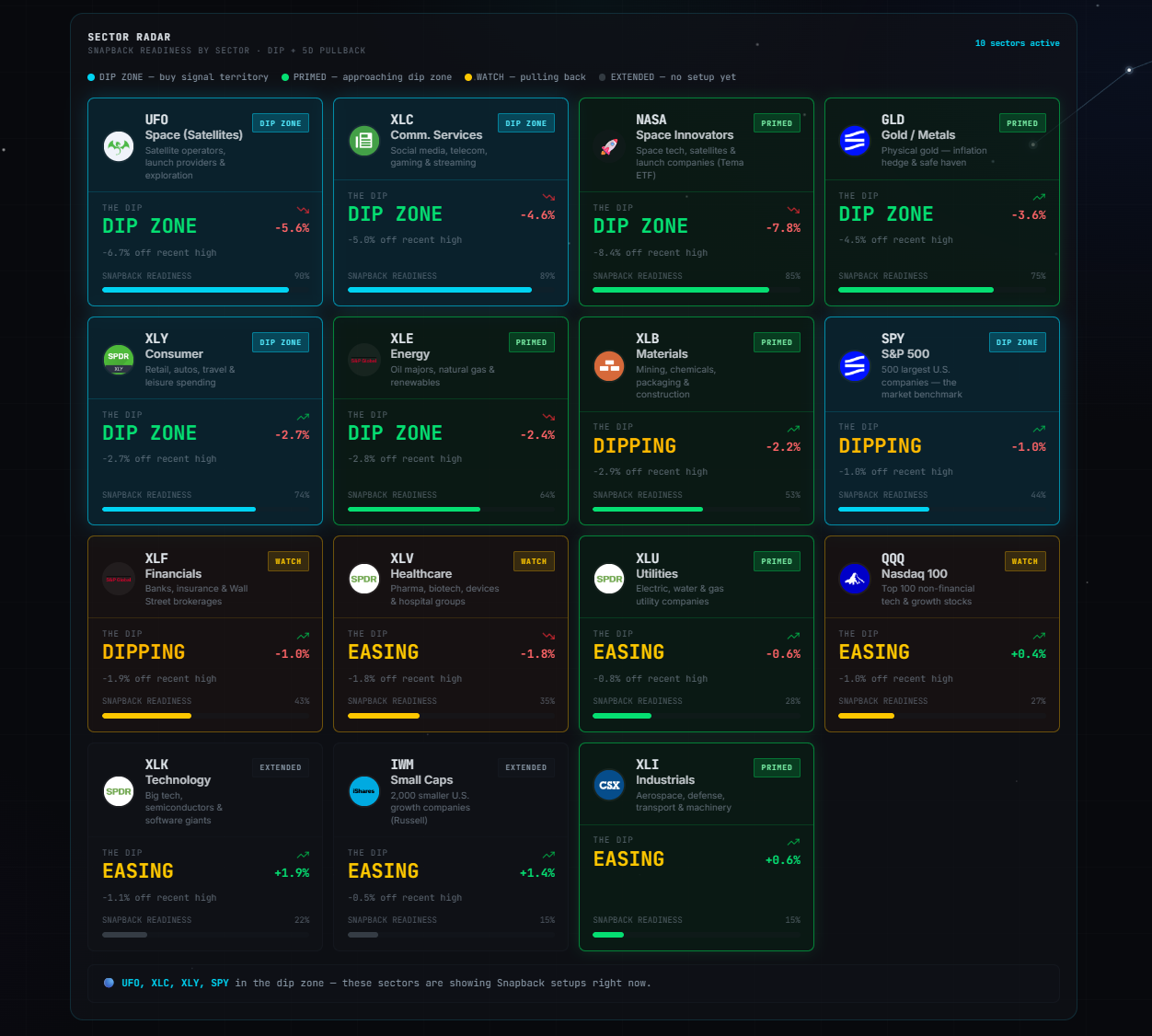
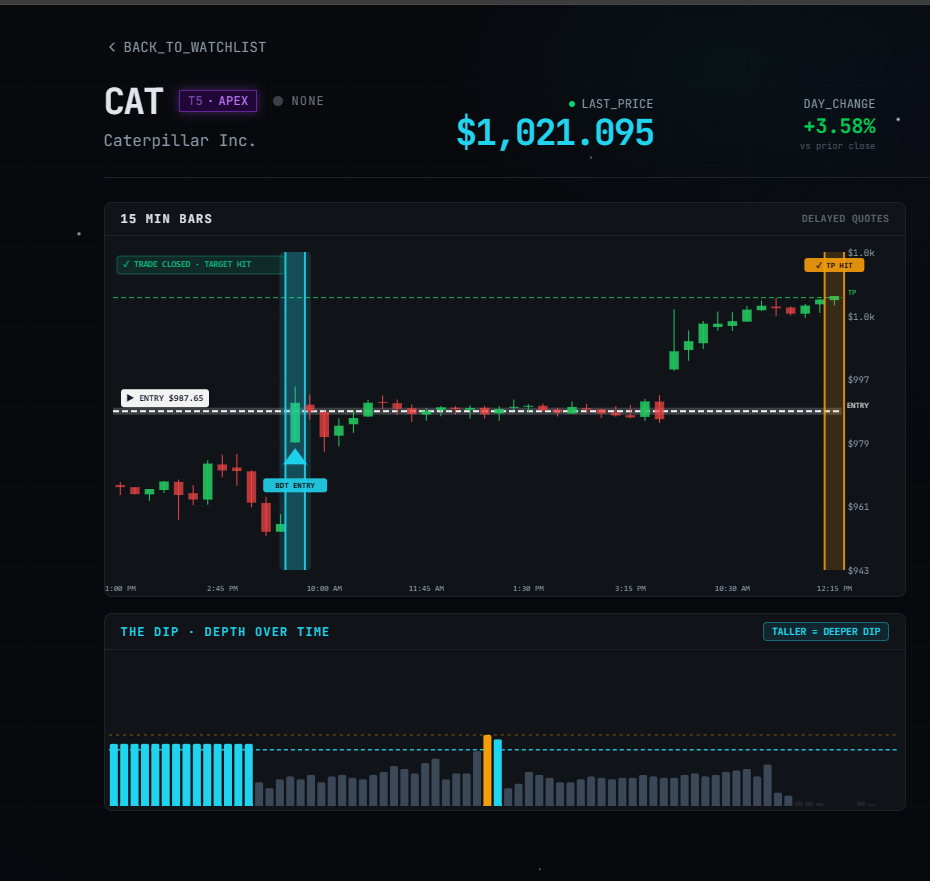
🎯 Want Setups Like These? The Big Dipper Does the Scanning For You.
Every morning the Big Dipper delivers curated DIP ZONE trade ideas — stocks already at high-probability entry levels, with targets pre-set. No guessing, no scanning. Just setups.
Frequently Asked Questions About Price Action Stops
Q: Where should I set my stop loss if the key structural pivot is too far away?
A: Do not force a tight, arbitrary stop closer to entry just to trade a larger position size. Reduce your lot size so your total dollar risk remains constant while placing your stop safely beyond the actual structural invalidation level.
Q: How do price action traders avoid getting wicked out during market opens?
A: They wait for initial liquidity sweeps to clear obvious high and low levels before placing orders, setting stops beyond major higher-timeframe pivots rather than precise round numbers or visible short-term swing wicks.
Free For Traders
Know What To Trade BEFORE The Opening Bell
The Big Dipper Dashboard hands you curated high-probability setups every single morning — free.

From Find Better Trades
Consistent Income. Any Market Direction.
The Income Project’s low-risk debit spread system generates steady returns whether the market runs up, down, or sideways.

📈 Want More? Join Our Free Trading Community
- Trading Strategy Guides Telegram — daily strategy tips and market insights
- Find Better Trades Telegram — free trade signals delivered to your phone
- Find Better Trades on YouTube — live trade breakdowns and tutorials