Stop Chasing Breakouts — Wait for the Retest Instead

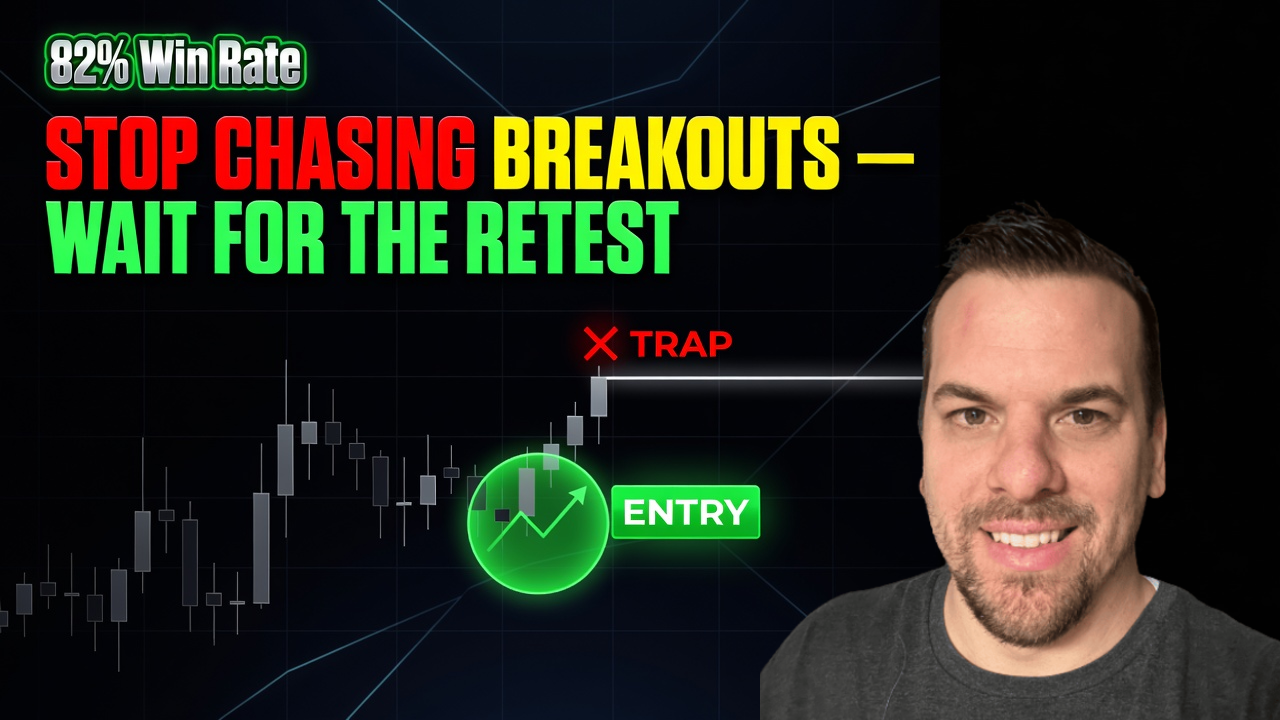
📊 July 18, 2026
- Chasing breakout candles is the fastest way to turn a profitable trading account into a charity donation.
- The standard breakout strategy ignores the reality of institutional liquidity hunts that routinely trigger false moves.
- Wait for price to return and confirm previous resistance as new support before committing capital next week.
— Ben, Find Better Trades
Let is be honest. There is nothing more intoxicating in trading than watching a massive green candle smash through a multi-week resistance level.
You get that sudden rush of adrenaline, your finger flies to the buy button, and you market-order your way into the position because you are terrified of missing the move. Then, almost like magic, the exact moment your order fills is the exact moment the market reverses, leaving you holding a massive loss at the absolute top of the day.
If this sounds familiar, it is not because you are cursed or because the market is rigged against you personally. It is because you are playing right into the hands of institutional algorithms that feed on breakout buyers for lunch.
Why Everyone Gets This Wrong
The conventional wisdom taught in basic trading guides says that when price breaks above a clear horizontal resistance line, you buy immediately. They show you perfect, clean textbook charts where the breakout occurs and price moves straight to heaven without a single pause.
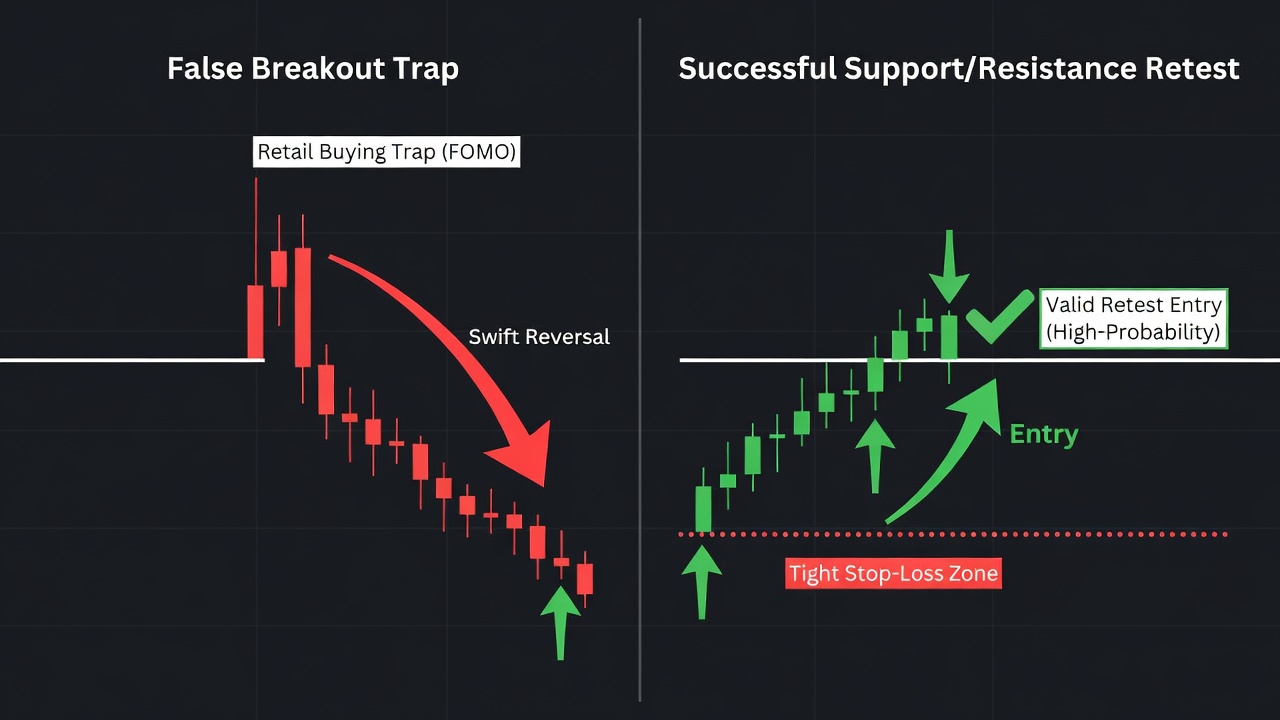
In the real world, big players need liquidity to fill their massive sell orders, and they find that liquidity exactly where retail stop-losses and buy-stop orders sit. When price spikes above a key resistance zone, it triggers thousands of buy-stop orders from breakout traders, providing the perfect exit pool for institutions to dump their positions.
Imagine a stock consolidating between fifty and fifty-five dollars for three weeks. When price suddenly ticks to fifty-six dollars, retail traders rush in, only for heavy institutional selling to push the daily close right back down to fifty-two dollars, leaving a massive, ugly upper wick.
What Actually Works
If you want to survive when markets open Monday, you need to shift your mindset from chasing momentum to demanding validation. The high-probability play is to let the breakout happen without you, and then patiently wait for price to return and test that broken level.
When a true breakout occurs, previous resistance must flip and act as new support. You want to see price drift back down to the breakout level on lighter, declining volume, indicating that sellers are not actually in control.
Once price touches that old resistance zone, look for a bullish rejection candle, like a hammer or a strong engulfing bar, to prove that buyers are defending the level. This simple adjustment allows you to place your stop-loss just below the newly established support, giving you a tight, highly asymmetric risk-to-reward ratio.
When the Breakout Can Still Help
To be fair, the initial breakout candle is not entirely useless. It serves as a powerful signal that market dynamics are shifting and that a specific asset is finally waking up after a long period of consolidation.
Instead of viewing the breakout candle as your entry trigger, treat it as an alarm clock telling you to put that ticker on your watchlist for the upcoming week. The breakout candle proves there is active interest; the subsequent retest proves whether that interest is sustainable or just a temporary trap.
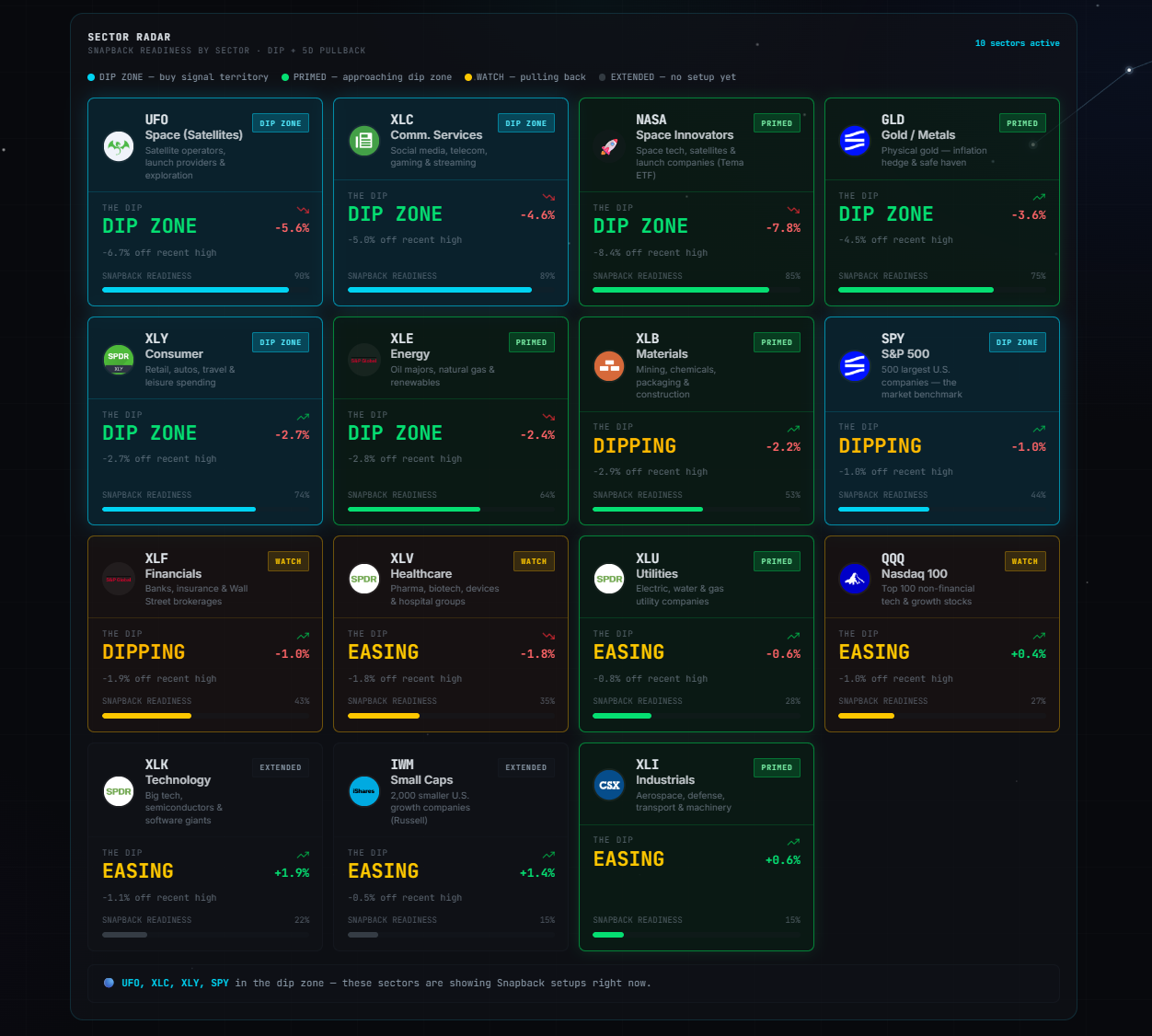
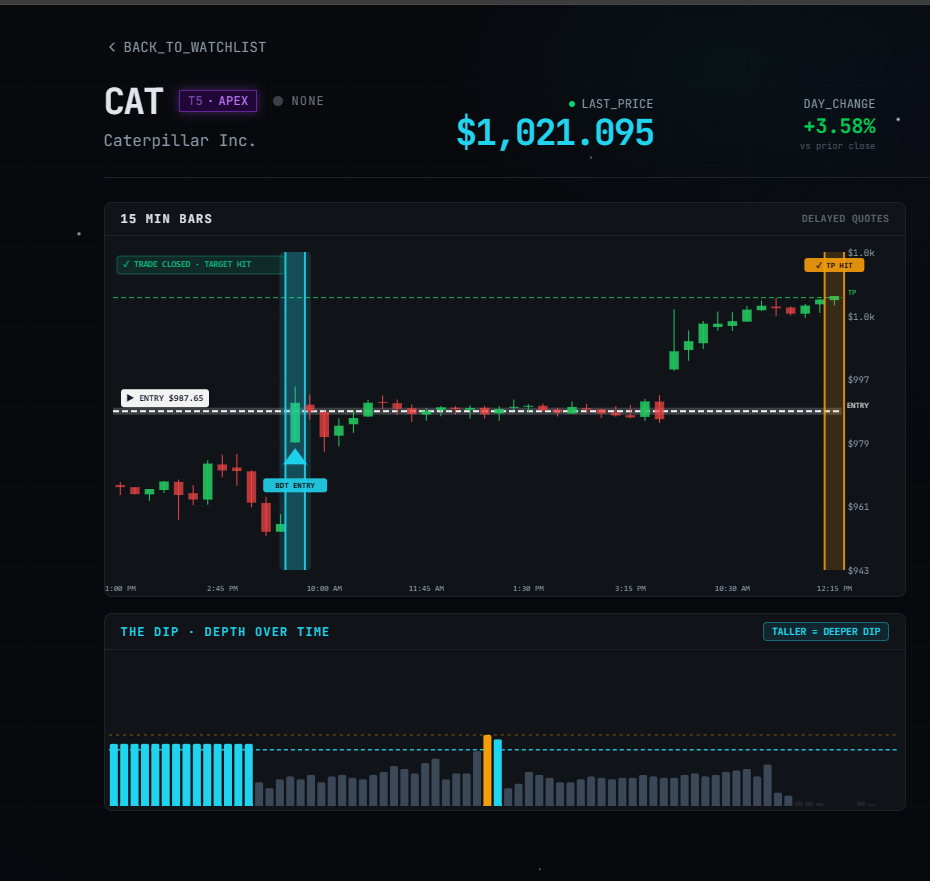
🎯 Want Setups Like These? The Big Dipper Does the Scanning For You.
Every morning the Big Dipper delivers curated DIP ZONE trade ideas — stocks already at high-probability entry levels, with targets pre-set. No guessing, no scanning. Just setups.
Frequently Asked Questions About Breakouts
Q: What if the price just keeps running and never offers a retest?
A: Let it go without you because there will always be another setup. Chasing a runaway train is a low-probability gamble, whereas waiting for a retest preserves your capital for high-probability setups.
Q: How long should I wait for the retest to occur?
A: A high-quality retest usually happens within three to ten candles of the initial breakout. If price spends weeks drifting far away and then crashes back to the level, the structural dynamics have changed and the setup is no longer valid.
🎯 Get High-Probability Trade Setups — Free
The Big Dipper Dashboard delivers curated trade ideas straight to your screen every morning. Know what to watch before the opening bell.

📈 Want More? Join Our Free Trading Community
- Trading Strategy Guides Telegram — daily strategy tips and market insights
- Find Better Trades Telegram — free trade signals delivered to your phone
- Find Better Trades on YouTube — live trade breakdowns and tutorials