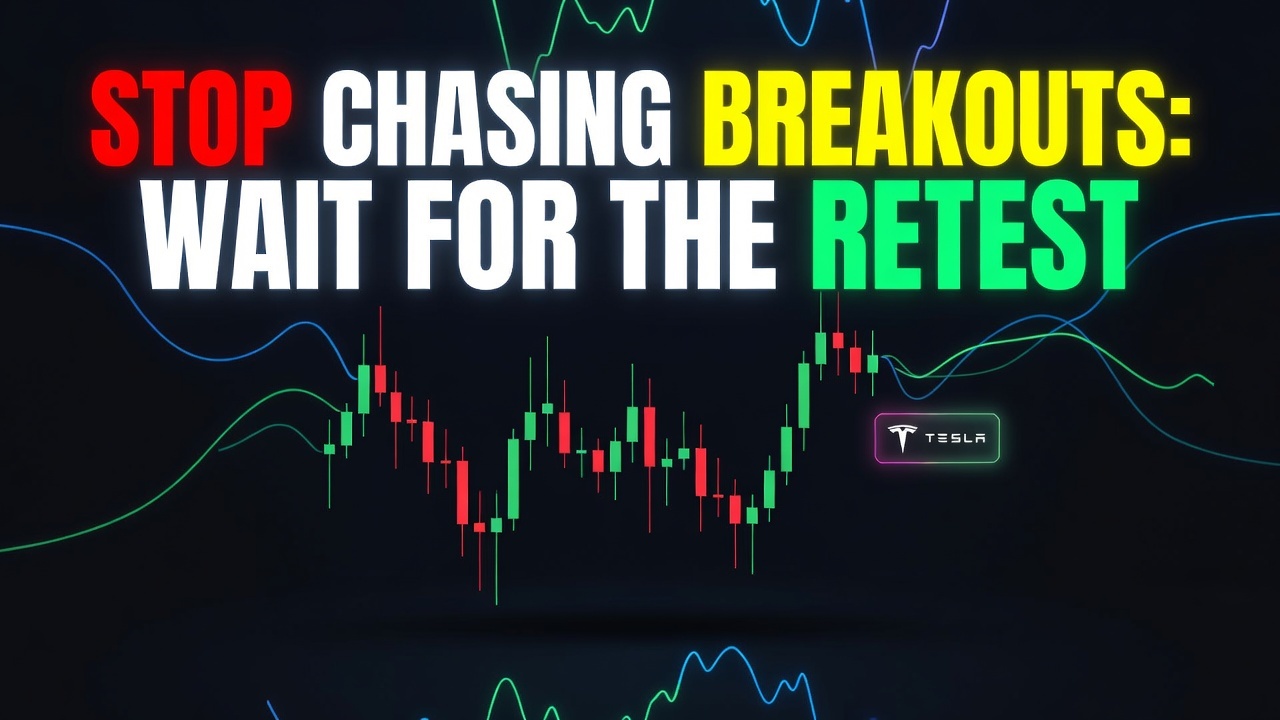
Stop Chasing Breakouts: Wait for the Retest Instead

📊 September 17, 2026
- Chasing the initial breakout candle is a sucker’s bet that hands your liquidity straight to institutional sellers.
- Buying momentum at technical resistance forces you into massive stop-losses right where price is most vulnerable to a sharp fakeout.
- Wait for price to clear the level, reject seller continuation, and validate the broken boundary as structural new support.
— Ben, Find Better Trades
You see a massive green candle rip straight through key resistance and your thumb instinctively moves to buy. You feel like a genius for about five minutes until that candle prints a nasty upper wick and dumps straight back into the range. I see traders do this every single week, and it is the fastest way to donate your trading capital to institutions looking for exit liquidity.
Why Everyone Gets This Wrong
Retail trading lore teaches you that breakouts are where easy money lives. The pitch is simple: draw a horizontal line across range highs, set a buy-stop order right above it, and ride the trend to glory. What those textbook guides fail to explain is how order flow works when price approaches an obvious technical barrier.
When price blasts through a ceiling, eager market participants pile into buy orders at the worst possible location. At the exact same time, institutions that built long positions at the bottom of the range are looking for a surge in buyer volume to sell into. Your breakout market order becomes their fill, creating an instantaneous supply shock right at the peak of the impulse.
Without sustained institutional buying behind the initial push, the rally starves. Price stalls out, traps breakout buyers at the highs, and cascades backward through the level. You are left holding an underwater position with a blown-out stop-loss, while the smart money walks away with your spread.
What Actually Works
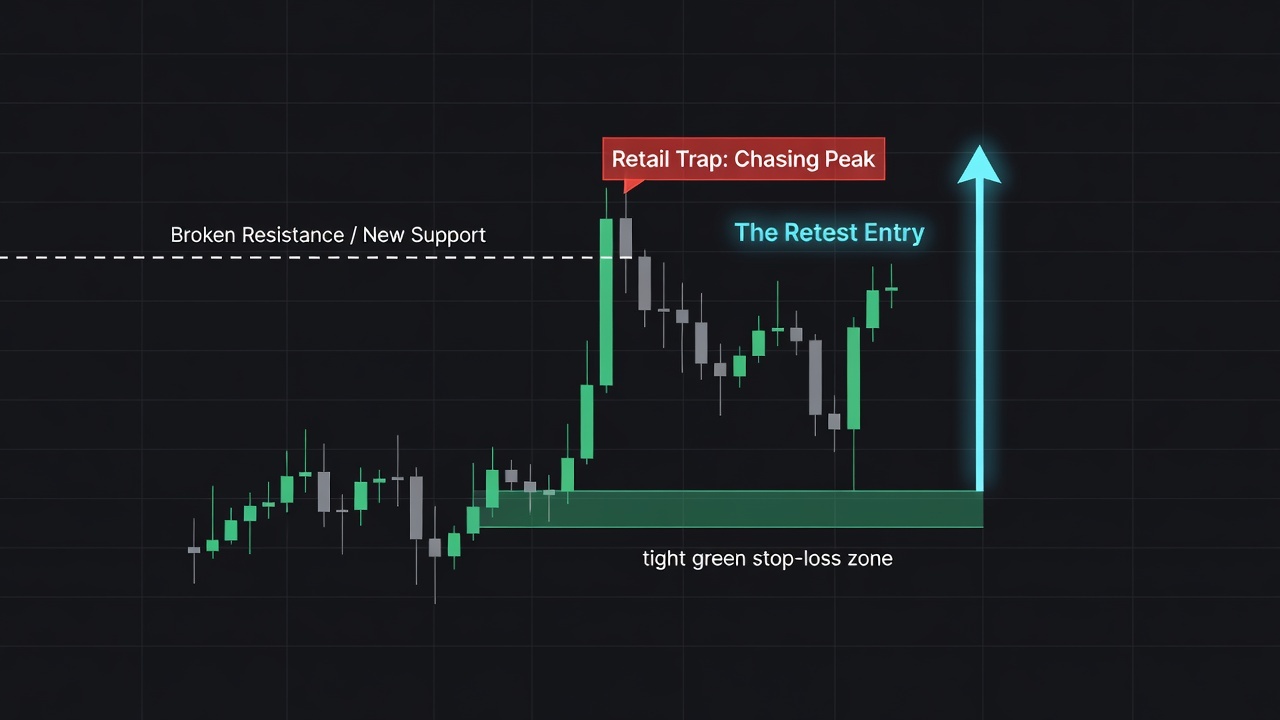
The fix is simple, but it demands discipline that most traders refuse to practice: let the breakout happen without you. When a genuine breakout occurs, price converts old resistance into dependable support, and that transition leaves clear footprints on your chart.
Instead of firing an order into the expanding candle, let price push out, exhaust its initial momentum, and trace back toward the breakout level. You are waiting for the retest—a controlled pullback where sellers try to push price back into the prior range and fail. That failure shows up as long lower wicks, inside bar holds, or immediate volume dry-ups on the retest candle.
This single rule changes your risk profile completely. Instead of hanging a wide stop below the breakout base, your stop-loss sits tightly tucked under the newly printed retest swing low. Your potential downside shrinks dramatically, while your target remains the expansion high, giving you a clean 3:1 or 4:1 asymmetric trade every time.
When Direct Breakouts Can Still Work
Direct breakouts have their place, but only during high-velocity macro trends backed by massive multi-month structural compression. When a market spends months coiling within a tight band and breaks on heavy institutional volume, momentum can run so aggressively that a clean retest never materializes.
Even in those rare runaway scenarios, you never blind-buy the tip of the first breakout bar. If you miss the initial break, drop to an intraday timeframe and trade micro-consolidations or bull flags rather than chasing an extended wick into open air.
🎯 Want Setups Like These? The Big Dipper Does the Scanning For You.
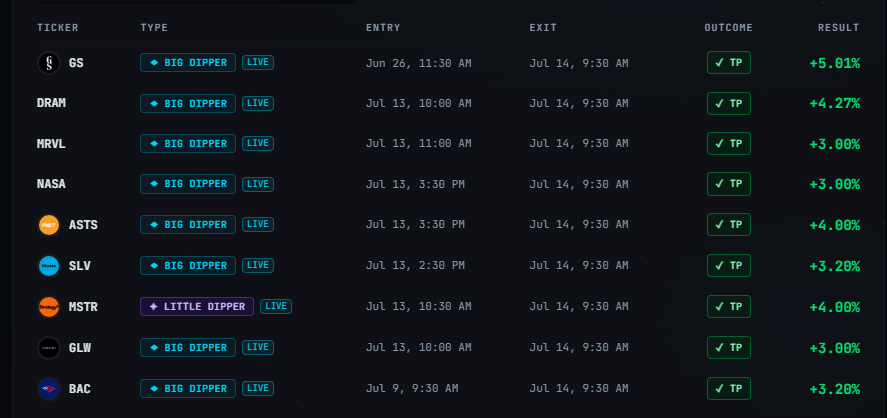
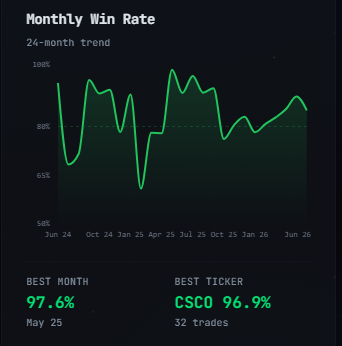
Every morning the Big Dipper delivers curated DIP ZONE trade ideas — stocks already at high-probability entry levels, with targets pre-set. No guessing, no scanning. Just setups.
Breakout Retest FAQ
Q: What should I do if a breakout continues running without ever retesting the level?
A: Let it run without you and move to the next chart. Preserving your edge and managing risk matters far more than having fear of missing out on a runaway move.
Q: How can I tell if a retest is failing versus holding?
A: A valid retest shows decreasing seller volume and swift price rejection at the level. If a candle closes decisively back inside the old range with heavy volume, the breakout has failed and the setup is dead.
Free For Traders
The Options Cheat Sheet Thousands Of Traders Swear By
Calls, puts, spreads — one free download tells you the right options strategy for every market condition.

From Find Better Trades
Three Candles Tell You When The Move Accelerates
The 3-candlestick reversal pattern indicator that catches the exact moment momentum flips.

📈 Want More? Join Our Free Trading Community
- Trading Strategy Guides Telegram — daily strategy tips and market insights
- Find Better Trades Telegram — free trade signals delivered to your phone
- Find Better Trades on YouTube — live trade breakdowns and tutorials