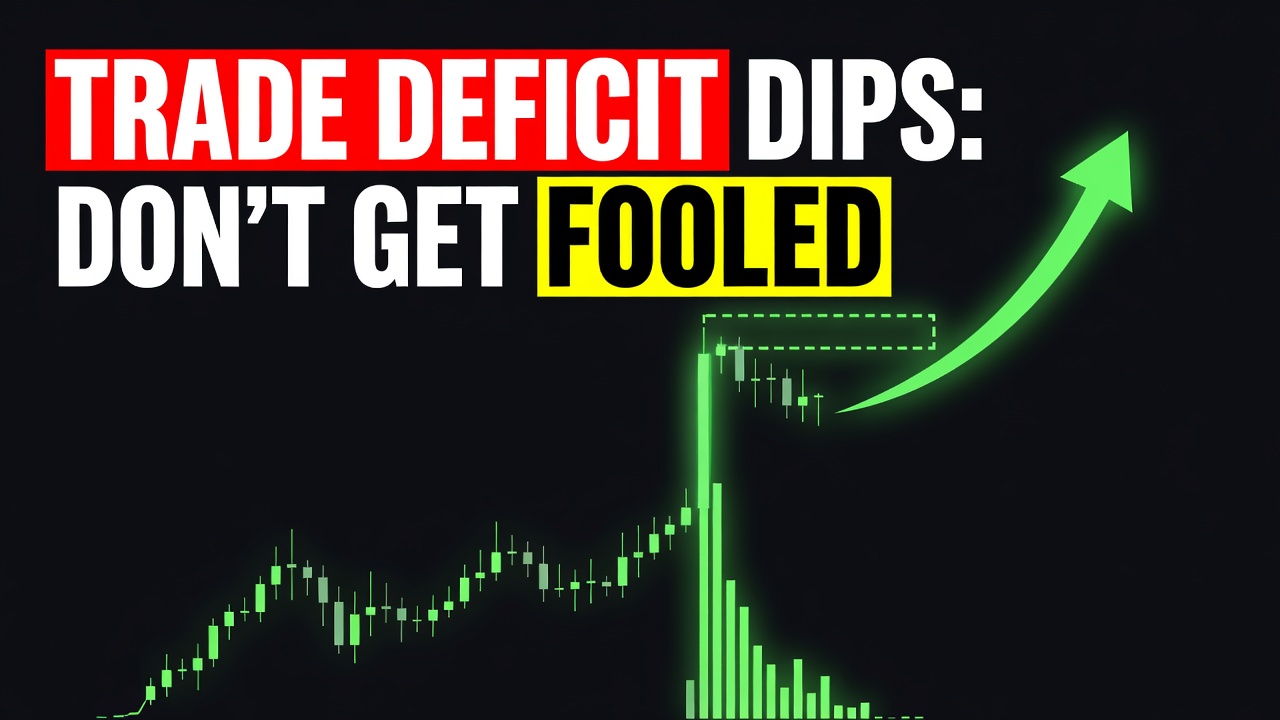
Trade Deficit Dips: Don’t Get Fooled, August 4, 2026

⚡ What This Means for Traders — August 4, 2026
- The U.S. trade deficit shrank, but it’s a red flag.
- This signals weaker demand, not stronger trade or a booming economy.
- I’m leaning cautious on broad market strength.
— Ben, Find Better Trades
Don’t let the headlines fool you. The U.S. trade deficit dipped in June, but this isn’t a sign of strength. It’s a clear signal of slowing demand, both here and abroad.
This data confirms what many of us have suspected: things are cooling off. You need to adjust your positions now.
What Just Happened
The Commerce Department just released its June trade data. The U.S. trade deficit shrank, which sounds good on paper.
However, the devil is in the details. Both imports and exports fell back from May’s levels. This isn’t a healthy rebalancing; it’s a slowdown.
Expectations were for some moderation, but this decline in both directions points to weaker global and domestic demand. It’s not the kind of deficit reduction we want.
What It Means for Your Trades
This report hits consumer-facing sectors hard. Lower imports mean less stuff coming into the country for people to buy. Watch retailers and consumer discretionary stocks closely.
Shipping and logistics companies will also feel the pinch. Less trade means less freight to move. Their earnings outlook just got tougher.
On the flip side, domestic-focused companies might show more resilience. Look for businesses less exposed to global supply chains and international demand. Value plays could offer some stability.
This isn’t the time for aggressive growth bets tied to global expansion. Be selective. Focus on companies with strong balance sheets and consistent domestic revenue streams.
My Take
I’m staying cautious here. A shrinking deficit driven by falling imports isn’t a win. It screams slowing economic activity.
Weaker imports suggest consumers are tightening their belts. Lower exports mean global demand for U.S. goods is also softening. This combination is not bullish for corporate earnings or market growth.
You need to protect your capital. Consider defensive positions or even some inverse ETFs if you’re comfortable with them. Conviction: moderate — headline risk remains.
Macro Pulse FAQ
Q: What does a falling trade deficit usually mean?
A: Normally it’s positive, showing a country is producing more domestically. But when both imports and exports are dropping, it often signals a slowdown in overall economic activity.
Q: Will this impact Fed policy?
A: This data adds to the argument for slower economic growth. It might give the Fed more reason to pause on rate hikes, but inflation is still a major factor.
Q: Should I buy defensive stocks now?
A: Shifting towards defensive sectors like utilities or staples could be a smart move. They tend to perform better in slower growth environments.
Free For Traders
Know The EXACT Moment A Stock Hits Support Or Resistance
Real-time alerts fire the instant a stock approaches a critical level. Completely free.

From Find Better Trades
The Pullback Isn’t A Warning. It’s Your Entry.
Slingshot catches the exact moment a trend pause is ready to rip back in your favor — built for explosive pullback continuations.

📈 Want More? Join Our Free Trading Community
- Trading Strategy Guides Telegram — daily strategy tips and market insights
- Find Better Trades Telegram — free trade signals delivered to your phone
- Find Better Trades on YouTube — live trade breakdowns and tutorials