Why Most Options Traders Lose and 3 Habits That Fix It


📊 November 5, 2026
- Most options traders lose money because they treat calls and puts like leveraged lottery tickets instead of trading volatility and structural edge.
- The single biggest flaw is buying naked out-of-the-money contracts that require you to be right on direction, magnitude, and immediate timing simultaneously.
- Replace directional guessing with defined vertical spreads anchored to underlying technical levels, and take profits automatically at predetermined targets.
— Ben, Find Better Trades
Most options traders lose because they buy cheap, out-of-the-money calls on extended stocks and expect massive payouts without understanding implied volatility or theta decay. Options are pricing instruments designed around probabilities, not lottery tickets designed to multiply a small trading account overnight. If you buy directional premium without an edge in timing and volatility, the math guarantees your account will bleed out over time.
The tool I use for this: TriTrader+. Auto-maps ascending, descending, and symmetrical triangles with breakout alerts the moment price escapes the pattern. See TriTrader+ →
I see traders blow up their accounts every single week doing the exact same thing. They pull up a watchlist, see a stock making new highs, and rush to buy near-term calls with five days until expiration. Two days later, the stock drifts sideways, implied volatility collapses, and their position loses half its value before they can even blink.
Why Everyone Gets This Wrong
Most options traders lose by focusing entirely on leverage rather than probability and Greek decay. Retail traders flock to out-of-the-money calls because spending $1.50 per contract feels safer than buying 100 shares of a $100 stock. What they ignore is that every single day they hold that long contract, time decay eats into their equity regardless of what the broader market does.
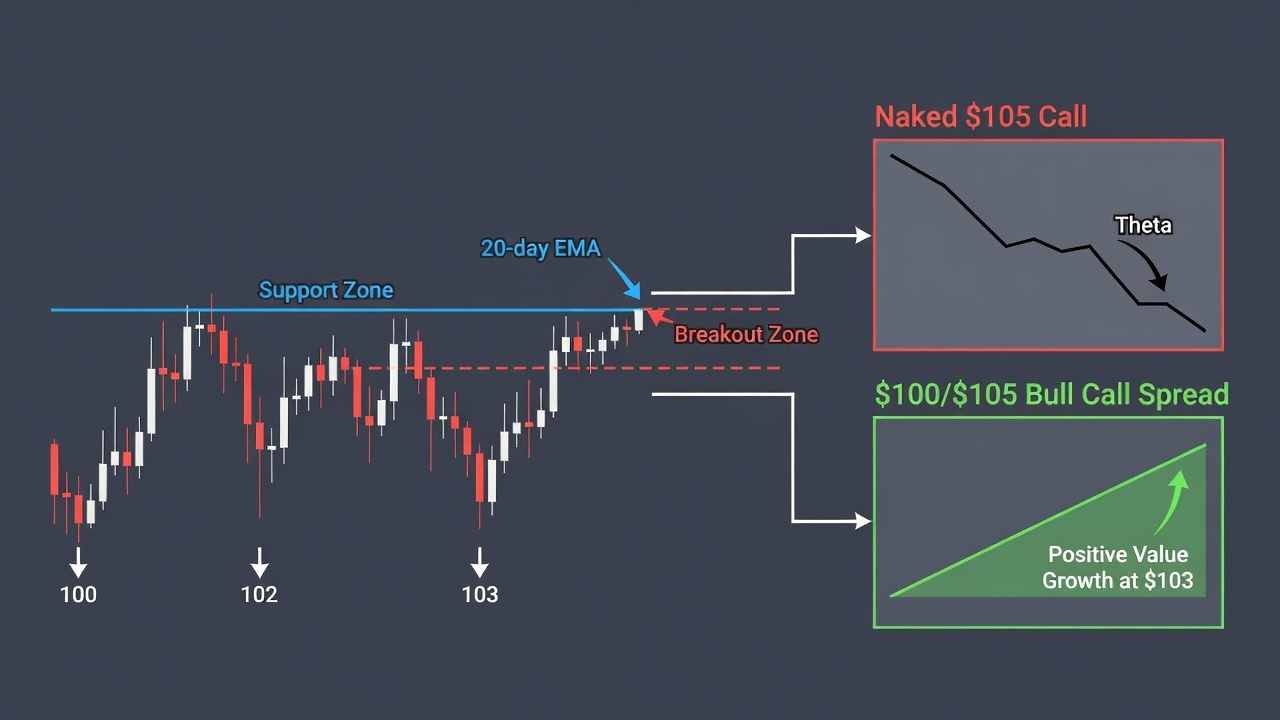
Consider a realistic technical analysis scenario on a standard daily chart. Say a hypothetical stock trades at $100, consolidating right below a key resistance level at $102 while its 20-day exponential moving average sits down at $97. A typical retail trader buys the $105 strike call expiring in 10 days for $2.00, betting on an explosive breakout.
The stock actually breaks out, rallying cleanly to $103 over the next four sessions. The trader was completely right on the price action, yet their $105 call has dropped from $2.00 down to $0.90. Theta decay ate the position alive, and the implied volatility crush that followed the breakout erased the rest of their premium.
When you buy directional single-leg options, you must be right on three distinct variables: the exact direction, the size of the move, and the precise window of time it takes to happen. Missing even one of those three variables turns an otherwise winning chart read into a realized loss.
What Actually Works
Consistent options trading requires treating contracts as risk-defined spreads tied strictly to the underlying chart’s key levels. Instead of praying for a tenfold runner on naked options, you build structures that let time decay work in your favor or at least neutralize its drag. Here are the three habits that separate surviving options traders from account blowups.
Habit 1: Trade vertical spreads instead of naked long options. When you see that same hypothetical stock at $100 testing support at the 20-day EMA, buy the $100 call and simultaneously sell the $105 call against it for a net debit of $2.20. By selling the higher strike, you offset theta decay and cap your volatility risk, meaning a modest move to $103 yields a profit rather than a loss.
| Metric | Naked Long Call ($105 Strike) | Vertical Debit Spread ($100/$105) |
|---|---|---|
| Time Decay Impact | Destroys position daily | Largely neutralized |
| Stock Drifts Up to $103 | Substantial loss due to theta | Solid percentage gain |
| Breakeven Point | $107.00 at expiration | $102.20 at expiration |
Habit 2: Anchor entries to technical levels, not option prices. I never look at an option chain until the underlying chart gives me a clear trigger, such as a bounce off the 50-day moving average or a confirmed volume breakout through horizontal resistance. Your stop loss must be anchored to a price level on the actual stock chart, not an arbitrary percentage loss on the contract.
Habit 3: Take mechanical profits at 50% max gain. Retail traders hold losing positions until they reach zero and let massive winners collapse back into losses trying to hit home runs. When a spread captures 50% of its theoretical max value with time still left on the clock, close the trade, bank the cash, and move on to the next setup.
When Naked Long Options Can Still Make Sense
Buying naked calls or puts is not universally broken; it is simply misused in low-probability environments. A long directional option makes sense only when implied volatility sits at extreme multi-month lows and you expect a violent, catalyst-driven expansion in price.
If a quiet stock has been coiling inside a razor-thin volatility squeeze for weeks, implied volatility is dirt cheap. In that rare scenario, paying cash for an in-the-money contract with at least 60 days to expiration gives you asymmetric upside without getting crushed by daily decay.
🎯 Want Setups Like These? The Big Dipper Does the Scanning For You.
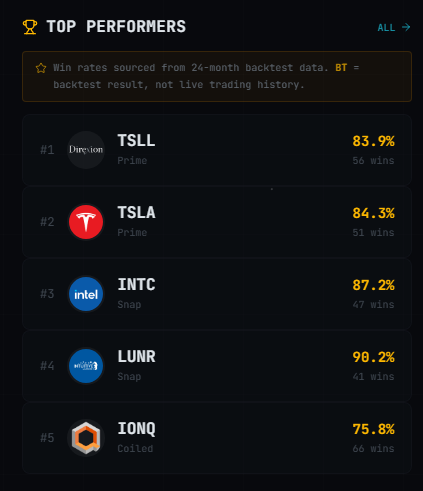
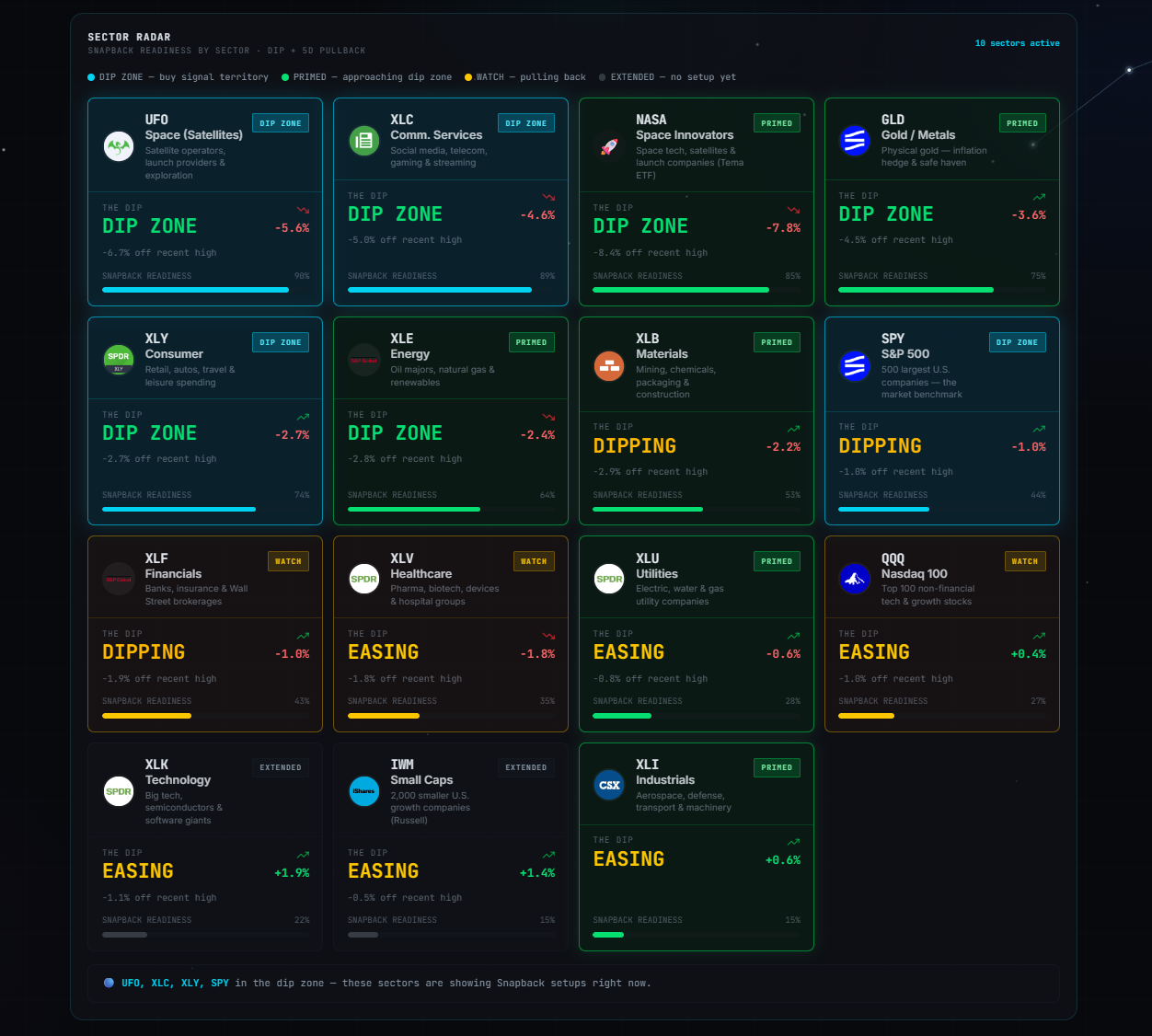
Every morning the Big Dipper delivers curated DIP ZONE trade ideas — stocks already at high-probability entry levels, with targets pre-set. No guessing, no scanning. Just setups.
From Find Better Trades
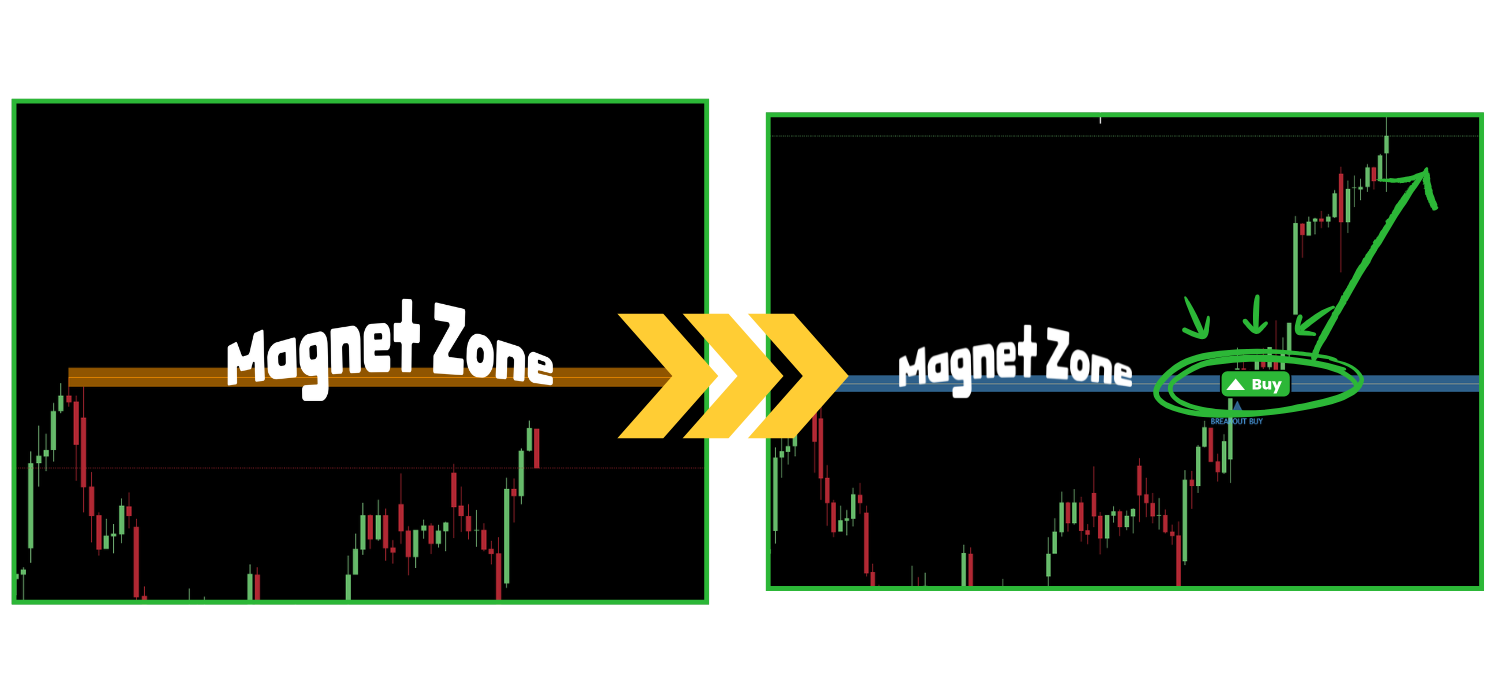
Know Exactly Where The Big Money Steps In
Auto-plots institutional support & resistance zones from pure price action — no more guessing at levels.
Options Trading Habits FAQ
Q: Why do out-of-the-money options lose value when the stock goes up?
A: Out-of-the-money options lose value when the daily drag of time decay and drops in implied volatility exceed the intrinsic gains from the underlying stock’s movement. If the stock does not move far enough or fast enough toward the strike price, decay wins every time.
Q: Why is trading vertical spreads safer than buying single calls?
A: Vertical spreads are safer because the short option you sell helps finance the long option you buy, which significantly lowers your net cost basis. The short leg also collects time decay, protecting your overall position if the underlying asset moves sideways.
Q: What is the best expiration cycle to trade for swing options?
A: Aim for expiration cycles between 30 and 45 days out from entry. Contracts inside this window offer enough liquidity while keeping the daily acceleration of theta decay manageable compared to expiring weekly options.
📈 Want More? Join Our Free Trading Community
- Trading Strategy Guides Telegram — daily strategy tips and market insights
- Find Better Trades Telegram — free trade signals delivered to your phone
- Find Better Trades on YouTube — live trade breakdowns and tutorials