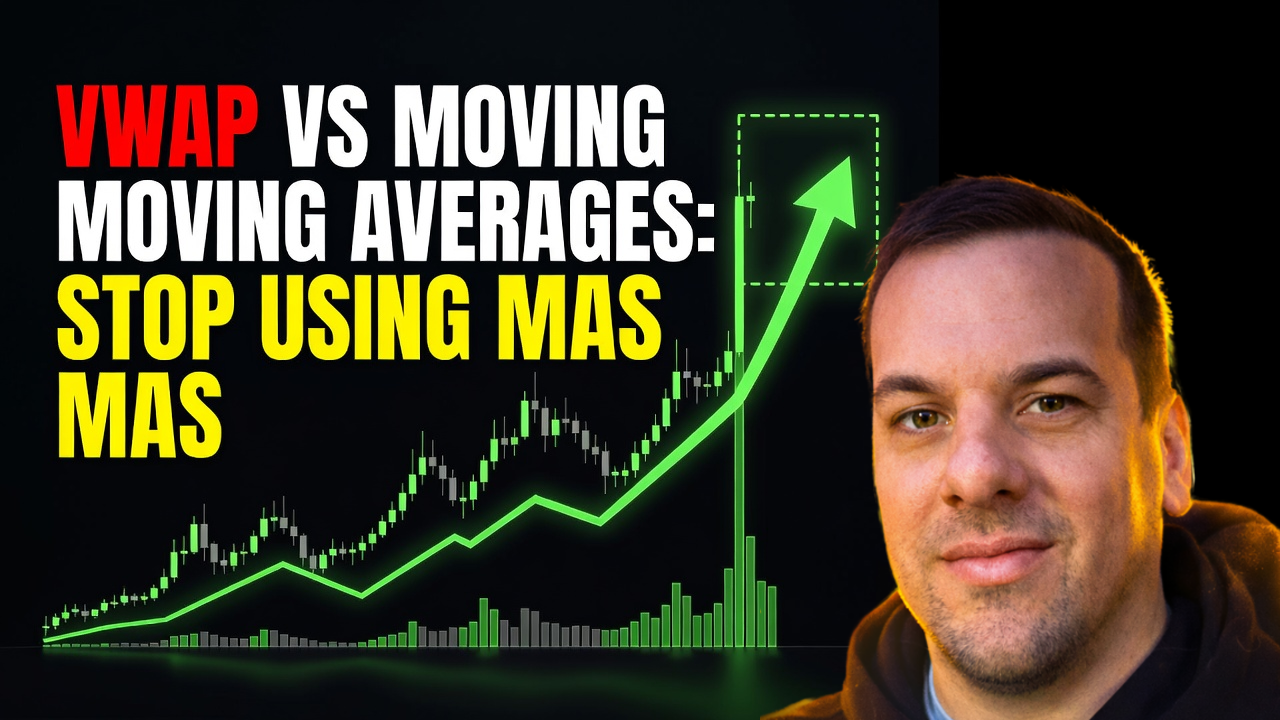
VWAP vs Moving Averages: Stop Using MAs Intraday

📊 September 5, 2026
- Moving averages on an intraday chart are blind to volume and reflect phantom price levels institutions ignore.
- The fatal flaw of moving averages is treating a dead lunchtime candle identical to an explosive opening drive candle.
- Strip the moving averages off your lower-timeframe charts heading into next week and anchor execution strictly to volume-weighted pricing.
— Ben, Find Better Trades
If your 5-minute chart is choked with a 9 EMA, 20 EMA, and 50 SMA, you are trading fictional support levels. Retail educators love moving averages because they produce pretty, color-coded lines on YouTube thumbnails, but institutional execution desks do not give a damn about a 20-period math curve on a 2-minute chart. Intraday execution revolves around one single benchmark: the Volume Weighted Average Price.
Why Everyone Gets This Wrong
Moving averages commit the cardinal sin of day trading: they treat time as equal and ignore volume completely. A simple or exponential moving average values a 5-minute candle formed during the dead 12:30 PM lull with 800 shares traded just as much as the 9:35 AM opening candle pushing 800,000 shares.
Imagine a stock surging out of the gate on massive institutional buying, printing heavy volume, then drifting sideways on virtually zero volume for ninety minutes. A 20 EMA will creep upward simply because time is passing, not because any genuine buying pressure entered the market.
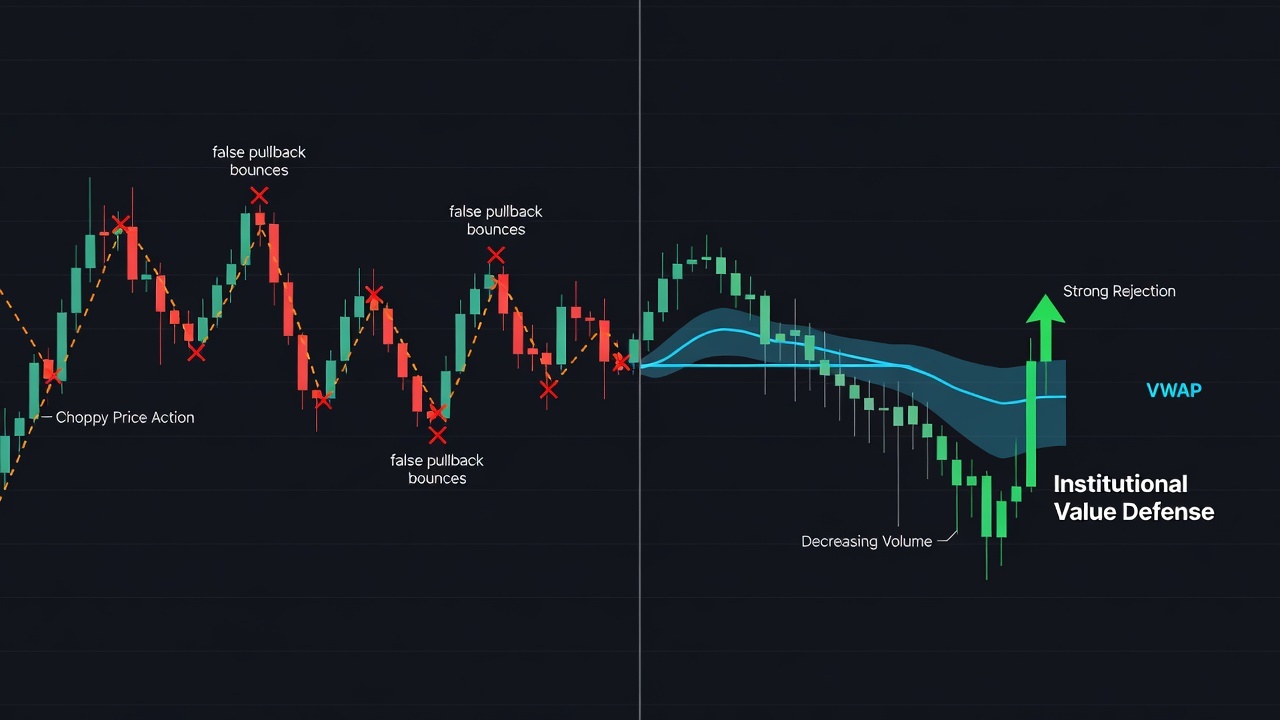
When price dips and touches that 20 EMA, retail traders rush to buy the “pullback” because a textbook told them it was dynamic support. What happens next is brutal: price slices through that line like butter because there is no actual liquidity or institutional interest sitting at that arbitrary calculation.
Moving averages also suffer from drop-off distortions that mislead intraday traders constantly. An SMA will suddenly lurch higher or lower not because large players stepped in right now, but because an old candle from an hour ago finally fell off the back of the lookback window.
What Actually Works
VWAP represents the true average dollar-weighted price at which every single share has traded hands since the opening bell. When a mutual fund or execution algorithm needs to unload 200,000 shares without blowing up their slippage, their performance is graded directly against VWAP.
When markets open Monday, shift your focus away from moving average crosses and pay attention to how price tests the session VWAP line. When price pulls back to VWAP from above on contracting volume, institutional algos frequently step in to defend their execution benchmarks, producing clean, high-probability long entries.
Take it a step further by plotting standard deviation bands around VWAP instead of using generic Bollinger Bands. A move stretching into the second or third VWAP band represents a true statistical anomaly in terms of volume-weighted value, offering distinct reversal setups where price has genuinely detached from institutional fair value.
You can also use Anchored VWAP to measure sentiment from key decision points rather than an arbitrary 20-bar lookback. Dropping an anchor at Monday’s opening drive high or an earnings gap allows you to instantly see whether the average dollar that traded since that catalyst is currently in profit or trapped in the red.
When Moving Averages Can Still Help
Moving averages are not entirely useless, but their utility belongs strictly on higher-timeframe daily and weekly charts. When an asset trends for months, a 50-day or 200-day simple moving average serves as an effective macro sentiment filter to tell you whether you should be looking for longs or shorts on the day.
Intraday, the only modest value an EMA provides is showing immediate short-term momentum slope, but using it as a hard price trigger is a recipe for getting chopped to pieces.
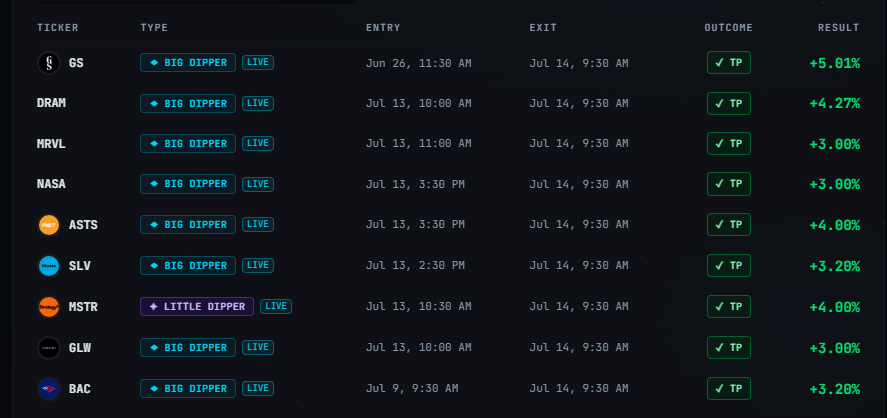
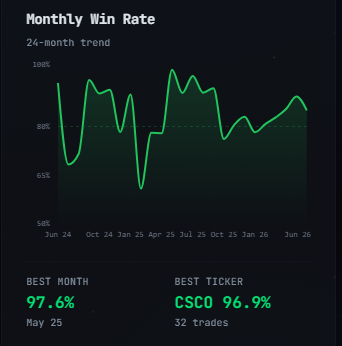
🎯 Want Setups Like These? The Big Dipper Does the Scanning For You.
Every morning the Big Dipper delivers curated DIP ZONE trade ideas — stocks already at high-probability entry levels, with targets pre-set. No guessing, no scanning. Just setups.
VWAP vs Moving Averages FAQ
Q: Should I completely remove EMAs from my day-trading screens?
A: Yes, stripping 9 and 20 EMAs off your intraday execution charts eliminates false signals and forces you to focus on volume-backed levels where real institutional order flow exists.
Q: Can I use VWAP for multi-day swing trading positions?
A: Standard session VWAP resets at each market open and is strictly for intraday use, but Anchored VWAP anchored to swing highs, earnings dates, or gap days is phenomenal for swing trading.
Free For Traders
The Options Cheat Sheet Thousands Of Traders Swear By
Calls, puts, spreads — one free download tells you the right options strategy for every market condition.

From Find Better Trades
Three Candles Tell You When The Move Accelerates
The 3-candlestick reversal pattern indicator that catches the exact moment momentum flips.

📈 Want More? Join Our Free Trading Community
- Trading Strategy Guides Telegram — daily strategy tips and market insights
- Find Better Trades Telegram — free trade signals delivered to your phone
- Find Better Trades on YouTube — live trade breakdowns and tutorials